943 Finchley Rd, London NW11 7PE


Veneers vs Bonding: Which Suits You?
If you are unhappy with chips, gaps, uneven edges or teeth that never quite look as bright as you want, the question often comes down to veneers vs bonding. Both treatments can improve a smile beautifully, but they solve slightly different problems and the right choice depends on your teeth, your goals and how long you want the result to last.
For some patients, bonding is the quickest route to a fresher, more balanced smile. For others, veneers offer a more refined and longer-lasting transformation. The best treatment is rarely the one with the biggest name. It is the one that fits your smile, your lifestyle and your expectations.
Veneers vs bonding: what is the difference?
Composite bonding uses tooth-coloured resin that is shaped directly onto the tooth by your dentist. It is a highly versatile treatment for small cosmetic improvements, especially where the natural tooth is healthy and only needs subtle refinement. Think of closing a small gap, repairing a chipped edge or improving the shape of one or two teeth.
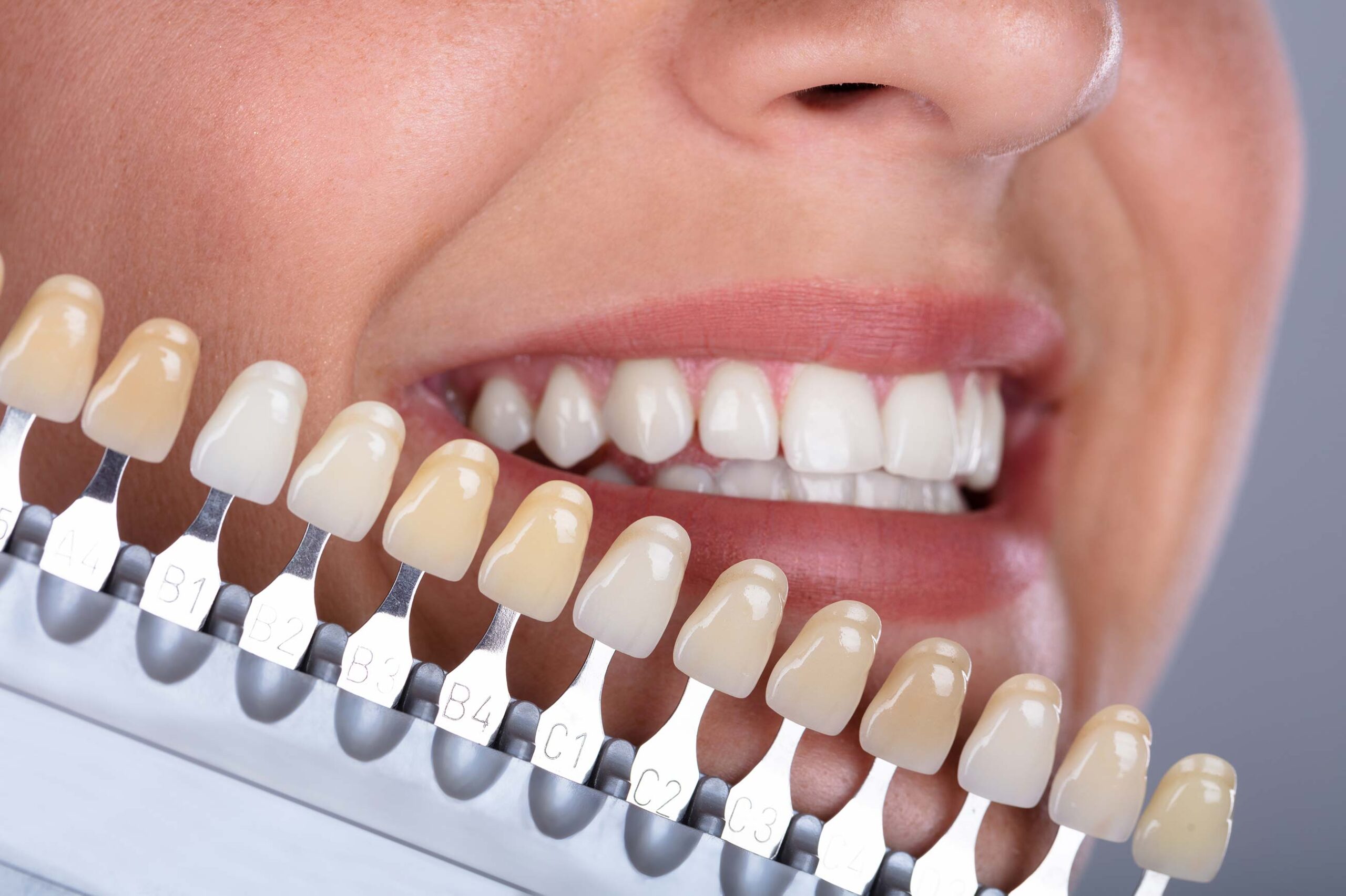
Veneers are thin facings, usually made from porcelain or composite, which are bonded to the front surface of the teeth. They are designed to improve colour, shape, symmetry and overall appearance in a more comprehensive way. Porcelain veneers, in particular, are often chosen for smile makeovers because they can create a very polished and natural-looking result.
Both options are cosmetic treatments, but they are not interchangeable. Bonding is usually more conservative and faster. Veneers are typically more bespoke, more durable and more transformative.
When bonding makes more sense
Bonding is often ideal when the changes needed are relatively modest. If a tooth is slightly chipped, worn, short or uneven, composite can often be sculpted in a single appointment to create a cleaner and more harmonious look. It is also useful when a patient wants to improve the smile without committing to a more extensive treatment.
Another reason patients choose bonding is that it usually involves little to no removal of natural tooth structure. That matters if you are keen to preserve as much of your own enamel as possible. For younger adults especially, or anyone testing the waters with cosmetic dentistry, bonding can be an attractive first step.
Cost is another factor. Bonding is normally more affordable than porcelain veneers, which makes it appealing if you want visible improvement with a lower upfront investment. The trade-off is longevity. Composite looks lovely when done well, but it is more prone to staining, chipping and wear over time.
When veneers are the stronger option
Veneers come into their own when the cosmetic concerns are broader or more complex. If several front teeth are discoloured, misshapen, uneven or worn, veneers can create a more uniform result than bonding alone. They are also a strong option when teeth have not responded well to whitening or when you want a more complete smile redesign.
Porcelain veneers are especially valued for their ability to reflect light in a way that closely resembles natural enamel. They resist staining better than composite, hold their polish well and can remain beautiful for many years with the right care. If you want a smile that looks elegant, balanced and consistently bright, veneers often deliver that higher level of finish.
That said, veneers are not simply the premium option for everyone. They usually require more planning, more investment and, in many cases, some degree of preparation to the teeth. That is why a detailed clinical assessment matters. A result can look stunning, but it should also be appropriate for your bite, gum health and long-term dental stability.
Veneers vs bonding on appearance
This is where patients often feel torn, because both treatments can look excellent in the right hands. Bonding can be beautifully natural and very effective for small corrections. A skilled dentist can shape and shade the material so it blends well with the surrounding teeth.
Veneers tend to offer more control over the final aesthetic, particularly when multiple teeth are involved. The shape, translucency, surface texture and colour can all be customised with a high level of precision. If you are aiming for a noticeably upgraded smile rather than a subtle touch-up, veneers usually provide more consistency.
The key point is that appearance is not just about the material. It is about planning, facial proportions, tooth shape, lip line and the way your smile sits within your overall features. In a clinic that combines advanced dentistry with aesthetic expertise, that broader view can make a real difference to the final result.
Cost, longevity and maintenance
For many patients, this is where the decision becomes clearer.
Bonding is usually less expensive at the outset, often completed in one visit and easy to repair if small chips occur. However, composite resin does not have the same long-term resilience as porcelain. It can stain from coffee, tea, red wine and smoking, and it may need polishing, maintenance or replacement sooner.
Veneers involve a higher initial cost, particularly porcelain veneers, but they generally last longer and maintain their appearance better. If looked after properly, they can be a strong long-term investment in your smile. That does not mean they are maintenance-free. You still need excellent oral hygiene, regular reviews and sensible habits, particularly if you clench or grind your teeth.
So the real comparison is not simply cheaper versus more expensive. It is short-term affordability versus long-term value. Depending on your priorities, either option can be the smarter choice.
Are veneers or bonding better for damaged teeth?
It depends on what kind of damage you are talking about. Small chips, minor wear and slight shape issues can often be treated very effectively with bonding. It is conservative, efficient and can produce an immediate cosmetic lift.
If a tooth is heavily filled, significantly worn or structurally compromised, neither bonding nor veneers may be the best answer on their own. In those cases, a crown or another restorative treatment could be more suitable. Cosmetic dentistry works best when it is built on healthy foundations. Gum health, bite alignment and the strength of the underlying tooth all need to be considered first.
This is one reason a proper consultation matters so much. Good cosmetic dentistry is not about pushing one treatment. It is about choosing the treatment that makes sense both aesthetically and clinically.
Who is a good candidate for each treatment?
Bonding suits patients who want conservative cosmetic improvement, especially for one or two teeth. It is often a good match for people with healthy enamel, realistic expectations and a preference for lower upfront cost. It can also suit patients who are not ready to commit to veneers.
Veneers are often better for patients who want a more dramatic enhancement across the visible smile line. They can be ideal if you are looking for long-lasting brightness, improved symmetry and a highly polished finish. Patients who have multiple cosmetic concerns across several teeth tend to benefit more from veneers than from patchwork bonding.
Your habits also matter. If you bite your nails, chew pens, grind your teeth or regularly use your teeth to open packaging, both treatments are at greater risk. In some cases, a night guard may be recommended to protect your investment.
How to choose between veneers vs bonding
Start with your goal. Are you trying to freshen up a smile that is already quite good, or do you want a more complete transformation? If the answer is subtle improvement, bonding may be enough. If you want higher durability, stronger stain resistance and more control over the final look, veneers may be the better route.
Then consider timing, budget and maintenance. Bonding is quicker and more accessible. Veneers usually involve more planning but can deliver a more stable long-term result. Neither is universally better. The right choice is personal.
At Lotus Dental and Aesthetics Clinic, the most successful smile improvements begin with a conversation about what you want to feel when you look in the mirror, not just what you want changed on a chart. That is often where the decision becomes easier.
The best result is the one that fits your life
A beautiful smile should feel like you, only more confident, more balanced and more effortless. Whether that comes from carefully placed bonding or expertly designed veneers depends on your starting point and the standard you want to achieve. The smartest next step is not guessing from photos online. It is having your teeth assessed properly, so your treatment plan is built around your smile rather than somebody else’s.
Talk to the team at Lotus Clinic, Golders Green
See our page on veneers and composite bonding at Lotus Clinic for prices and who will treat you, or book a consultation at 943 Finchley Road, London NW11 7PE. Free parking on our driveway.