943 Finchley Rd, London NW11 7PE


Composite Bonding or Veneers: Which Is Right for You?
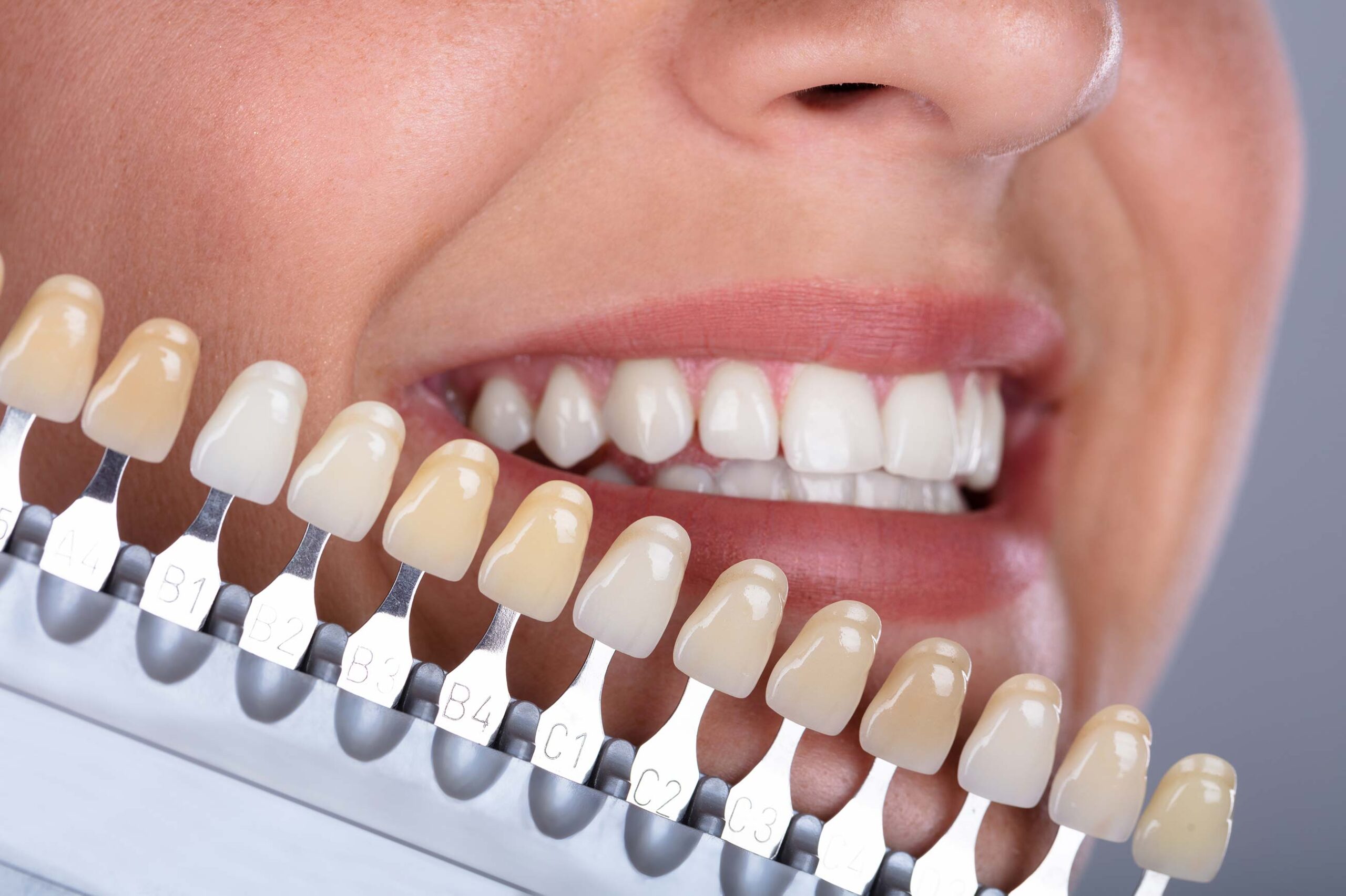
Written by the Lotus Clinic team. Clinically reviewed and approved by Dr Emanuele Clozza. Prices checked September 2026.
If you want to change the shape, colour or length of your front teeth, the two treatments you will hear about most are composite bonding and veneers. They can both give a lovely result, but they are quite different in cost, how long they last and how much of your natural tooth is involved. Here is a plain comparison, with our real prices, to help you work out which suits you.
The quick comparison
| Composite bonding | Porcelain veneers | Lumineers® | |
|---|---|---|---|
| What it is | Tooth coloured resin added to your tooth and shaped by hand | A thin shell of porcelain made to fit over the front of the tooth | An ultra thin porcelain veneer |
| Price at Lotus Clinic | £395 per tooth | from £995 per tooth | £1,195 per tooth |
| Tooth preparation | Usually little or none | A thin layer of enamel is usually removed | Often little or none |
| Appointments | Often one visit | Usually two or more | Usually two or more |
| Typical lifespan | Several years, with polishing and touch ups | Many years with good care | Many years with good care |
| Stain resistance | Can stain over time, especially with coffee, tea, red wine or smoking | Highly stain resistant | Highly stain resistant |
| If it chips | Usually easy to repair in the chair | Usually needs replacing | Usually needs replacing |
Monthly payments with 0% finance over 12 months are available, subject to status. Our full price list is on our fees page.
Composite bonding: quick, gentle and repairable
With composite bonding, the dentist builds up the tooth with layers of tooth coloured resin, sculpts it into shape and polishes it. Because it is added to the tooth, there is usually little or no drilling, and the treatment can often be reversed or changed later.
Bonding is ideal for closing small gaps, repairing chips, evening up slightly uneven edges and making short teeth a little longer. It is also often used after aligner treatment to tidy up worn edges once the teeth are straight.
The trade off is durability. Composite is softer than porcelain, so it can pick up stains and lose its shine over time. Most patients need a polish every so often, and some edges need touching up after a few years. The good news is that repairs are usually quick and inexpensive.
Porcelain veneers: the longest lasting finish
A porcelain veneer is a thin shell made to fit over the front of your tooth. To make space for it, a small amount of enamel is usually removed, which means the treatment is not reversible. In return you get a very natural looking, highly stain resistant surface that keeps its shine for many years.
Veneers are the better choice when you want a bigger change to colour or shape, when teeth are heavily stained and do not respond to whitening, or when you want a long lasting result on several teeth.
Lumineers: very thin veneers
Lumineers are a brand of ultra thin porcelain veneer. Because they are so thin, they can often be placed with little or no preparation of the tooth. They suit people whose teeth are small or slightly set back, where adding a thin layer improves the shape. They are not suitable for every case, for example where teeth are already quite prominent.
Which one is right for you?
Composite bonding tends to suit you if:
- you want to fix a chip, a small gap or slightly uneven edges;
- you would like to keep your natural tooth as untouched as possible;
- you want a result in one visit and at a lower cost;
- you are happy to have polishing and occasional touch ups.
Porcelain veneers or Lumineers tend to suit you if:
- you want a larger change in colour or shape;
- you have deep staining that whitening cannot shift;
- you want the longest lasting and most stain resistant finish;
- you are treating several front teeth for a full smile makeover.
Is there anything to do first?
Often, yes. If your teeth are crooked, straightening them first with clear aligners can mean less tooth needs to be changed, or even that bonding will do instead of veneers. If you would like your teeth lighter, whitening (£375) should be done before bonding or veneers, because composite and porcelain do not change colour with whitening. Any decay or gum problems also need to be treated first.
Who is not suitable?
Heavy grinding or clenching can chip both composite and porcelain, so we may recommend a night guard or suggest a different approach. Teeth with large fillings or cracks may need a crown instead. We will tell you honestly if we think a treatment is not a good idea for your teeth.
Next step
The best way to decide is a cosmetic consultation, where we look at your teeth, talk about what you want to change and show you the options side by side. You can read more on our veneers and bonding page and our composite veneers page. Book online or call us on 020 8201 8080.
Lotus Dental and Aesthetics Clinic, 943 Finchley Road, Golders Green, London NW11 7PE.
Talk to the team at Lotus Clinic, Golders Green
See our page on veneers and composite bonding at Lotus Clinic for prices and who will treat you, or book a consultation at 943 Finchley Road, London NW11 7PE. Free parking on our driveway.


