943 Finchley Rd, London NW11 7PE


Composite Bonding or Veneers – Which Is Best?

A small chip, uneven edges or teeth that look darker than you would like can change how freely you smile in photographs, meetings and everyday conversation. Choosing composite bonding or veneers is not simply about picking the whitest or most dramatic result. It is about finding a treatment that respects your natural teeth, suits your lifestyle and delivers the level of refinement you want.
Both treatments can transform a smile beautifully. Yet they work in different ways, come with different maintenance needs and are better suited to different clinical situations. A personalised assessment is the best place to start, especially if you have existing fillings, tooth wear, bite concerns or gum issues.
Composite bonding or veneers: the key difference
Composite bonding uses a tooth-coloured resin that is carefully layered, sculpted and polished directly onto the tooth. It can build up worn corners, close small gaps, improve the appearance of chips and alter the shape of teeth. The treatment is usually completed with little or no removal of natural enamel.
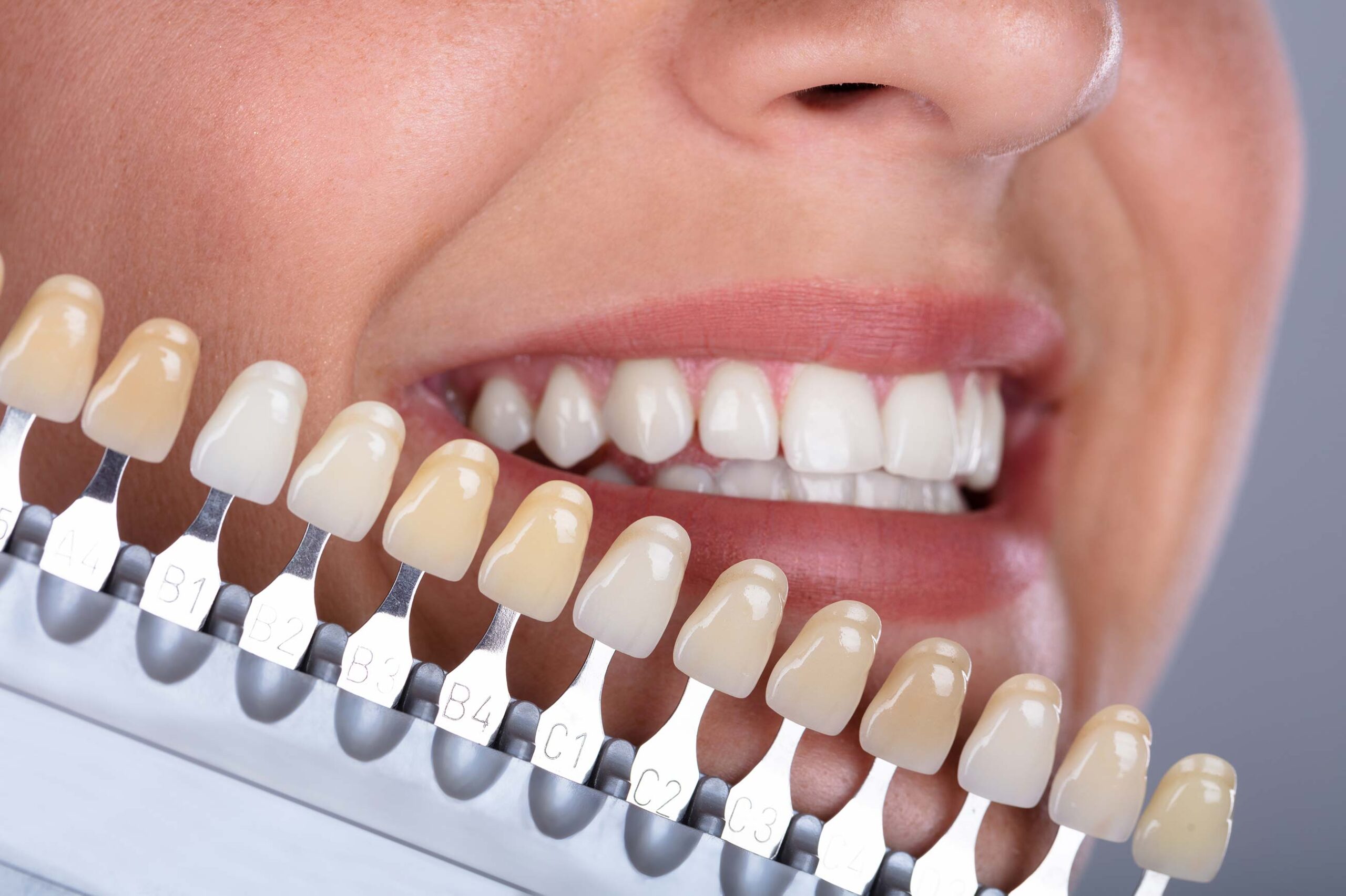
Veneers are finely made shells fitted to the front surface of teeth. They may be created from porcelain or composite, although porcelain veneers are often what people mean when discussing a premium smile makeover. Depending on the case, a small amount of enamel may need to be refined to create space for the veneer and achieve a natural profile.
The distinction matters. Bonding is generally more conservative and easier to repair, while veneers can offer greater control over colour, shape and long-term surface polish. Neither is automatically the better option. The right choice depends on the condition of your teeth and the smile you wish to see in the mirror.
When composite bonding can be the right choice
Composite bonding is particularly appealing when you want a noticeable refresh without committing to extensive tooth preparation. It can be an excellent choice for small-to-moderate aesthetic concerns, including a chipped front tooth, slightly uneven edges, minor spacing or teeth that appear short due to wear.
A skilled clinician can match the composite to the surrounding teeth and shape it with remarkable precision. Because resin is applied directly, treatment can often be completed in one visit, making it a practical option for busy London schedules. In suitable cases, it may also be possible to reverse the treatment or change it later with minimal impact on the underlying tooth.
The trade-off is maintenance. Composite is durable, but it is not as hard or stain-resistant as high-quality porcelain. Tea, coffee, red wine, smoking and strongly coloured foods can gradually affect its brightness. It can also chip or lose some polish over time, particularly if you grind your teeth or bite pens, nails or hard foods. Repairs are usually straightforward, but you should expect occasional maintenance to keep the result looking fresh.
Bonding often works best when the underlying teeth are healthy, well positioned and already close to the desired shade. If you are considering whitening, it is usually wise to discuss this before bonding, as composite will not whiten once it has been placed.
When veneers may offer more impact
Veneers are often chosen by patients who want a more comprehensive and highly refined smile change. They can be effective where there are several concerns at once: deeper discolouration, old visible restorations, irregular tooth shapes, more significant gaps, enamel defects or a desire for a more balanced, uniform smile.
Porcelain has a translucent quality that can mimic natural enamel beautifully. It retains its gloss very well and is more resistant to staining than composite, which makes it an attractive option for patients seeking a polished, long-lasting finish. Each veneer is designed to complement your facial features, lip line and desired smile character. A great result should look elegant and natural, not artificial or identical to someone else’s.
Veneers do involve more planning. Treatment commonly requires an assessment, smile design, preparation where needed, impressions or digital scans, temporary restorations in some cases, and a fitting appointment. They also tend to have a higher initial cost than composite bonding because of the laboratory craftsmanship, materials and clinical time involved.
It is important to understand that traditional veneers are generally an irreversible commitment where enamel has been adjusted. They are also not indestructible. Although porcelain is strong, veneers can crack or debond under excessive pressure. Patients who clench or grind may be advised to wear a protective night guard to protect their investment.
The questions that should guide your decision
The best treatment is not necessarily the fastest one or the one you have seen most often on social media. An honest consultation should explore what is happening beneath the surface as well as what you would like to change aesthetically.
Start with the scale of the transformation. For a single chipped tooth or subtle edge enhancement, composite bonding may be all that is needed. For a whole smile that needs consistent colour, proportion and alignment, veneers may provide a more predictable route to the result you want.
Next, consider longevity and maintenance. Composite bonding can last well with good care, but it may need polishing, repairs or replacement over the years. Porcelain veneers typically retain their finish for longer, though they will eventually require replacement and need equally conscientious care. Brushing twice daily with fluoride toothpaste, cleaning between teeth and attending regular hygiene appointments are essential with either option.
Your bite is equally important. If teeth are heavily worn, crowded, protruding or exposed to strong biting forces, simply adding bonding or veneers without addressing the cause may compromise the result. Orthodontic treatment such as Invisalign can sometimes be recommended first to create a healthier foundation and reduce the amount of restorative work needed. In other situations, bite management or a night guard may form part of the plan.
Finally, think about your relationship with change. Some people want an ultra-natural enhancement that preserves almost all of the tooth structure. Others are ready for a more complete, tailored smile makeover. Your clinician should listen carefully to both priorities rather than steering every patient towards the same treatment.
Why planning matters more than the material
The most beautiful cosmetic dentistry begins with healthy teeth and gums. Before discussing shape or shade, your dentist should assess for decay, gum inflammation, failing fillings, tooth cracks and signs of grinding. Treating these concerns first helps protect both your comfort and the longevity of the final result.
Digital scanning and smile planning can make this stage more visual and collaborative. You can discuss whether you prefer softer rounded edges, a more youthful appearance, a brighter shade or a smile that remains deliberately subtle. Small details such as tooth length, symmetry and the way the teeth follow the lower lip can have a major influence on the finished look.
At Lotus Dental and Aesthetics Clinic, cosmetic treatment planning is designed around your individual facial features, dental health and confidence goals. The aim is never a one-size-fits-all smile. It is a result that feels harmonious, comfortable and recognisably you.
Cost, time and realistic expectations
Composite bonding is usually the more affordable starting point and may be completed in a single appointment, depending on how many teeth are being treated. Veneers require a larger investment and more stages, but may be the stronger option for patients seeking a stable, high-polish result across several visible teeth.
It is worth looking beyond the initial price. A lower-cost treatment that needs frequent repairs may not be the best value for every lifestyle, while a veneer treatment is only worthwhile if you are comfortable with its preparation and long-term replacement needs. A clear written plan should explain the proposed treatment, likely maintenance and any available finance options before you decide.
Be cautious of promises of a perfect smile without an examination. Cosmetic dentistry is most successful when expectations are realistic. Natural teeth have texture, personality and subtle variations. A refined smile should enhance those qualities, not erase them.
A confident smile starts with the right conversation
If you are torn between composite bonding and veneers, bring photographs of smiles you like to your consultation, but also explain what you do not like about your own smile and how you want to feel afterwards. With a careful examination and a clear view of the trade-offs, you can choose a treatment that protects your oral health while giving you a smile you are genuinely happy to share.
Talk to the team at Lotus Clinic, Golders Green
See our page on veneers and composite bonding at Lotus Clinic for prices and who will treat you, or book a consultation at 943 Finchley Road, London NW11 7PE. Free parking on our driveway.