943 Finchley Rd, London NW11 7PE


What Private Dentist Payment Plans Really Cost

A smile makeover, dental implant treatment or Invisalign can be genuinely life-changing, but the upfront cost can feel like the barrier between wanting treatment and beginning it. Private dentist payment plans are designed to make high-quality care more manageable by spreading payments over time, rather than asking you to delay treatment, compromise on quality or choose a solution that does not meet your goals.
The right plan is not simply the one with the lowest monthly figure. It should suit your budget, your treatment timeline and the level of certainty you have about what your care will involve. Understanding how plans work helps you make a confident decision that supports both your smile and your financial wellbeing.
How private dentist payment plans work
A payment plan allows eligible patients to divide the cost of private treatment into scheduled monthly payments. Depending on the provider and treatment, this may involve paying a deposit first, followed by monthly instalments over an agreed term. Some plans may be interest-free for a set period, while others may include interest.
The application is usually made through a third-party finance provider. This means a credit check may be required, and approval is subject to that provider’s lending criteria. The clinic can explain the available options and provide a clear treatment estimate, but the finance company makes the final lending decision.
For many patients, the value is practical as well as emotional. Rather than waiting until the full amount is available, you may be able to start treatment when it is clinically appropriate. This can be particularly helpful where delaying care could allow a dental problem to become more complex, or where a treatment plan has several stages that need to be carefully coordinated.
Which treatments can be easier to plan for?
Payment plans are often most useful for treatments with a defined course and a clear treatment estimate. Dental implants, Invisalign, composite bonding, veneers, crowns and smile makeovers are common examples. These treatments can involve advanced technology, laboratory work and multiple appointments, so spreading the cost can bring a premium result within more comfortable monthly budgeting.
Implant treatment is a good example of why planning matters. The final cost may reflect diagnostics, digital smile planning, guided surgery, the implant itself, restoration and review appointments. A detailed consultation is essential because every mouth is different. Some patients need preparatory care, such as gum treatment or bone grafting, while others are suitable for a more streamlined route.
Invisalign and cosmetic dentistry also benefit from a proper assessment before discussing payment options. Your clinician should look beyond the appearance of individual teeth and consider bite, gum health, tooth structure and the long-term stability of the result. A beautiful smile should feel as good as it looks.
At Lotus Dental and Aesthetics Clinic, consultations are designed to give patients a clear, personalised view of their options, combining modern digital dentistry with the calm, reassuring support that nervous patients deserve.
What to check before choosing a dental payment plan
The monthly payment matters, but it is only one part of the decision. Ask for the total treatment cost, the deposit required, the number of instalments, the annual percentage rate where applicable, and the total amount repayable. A lower payment spread over a longer period may feel easier month to month, but could cost more overall if interest applies.
It is also worth confirming exactly what is included in your treatment estimate. For example, does the figure include X-rays or scans, temporary restorations, retainers after orthodontic treatment, hygiene visits or aftercare reviews? There is no single answer because inclusions vary by treatment and clinical need. What matters is receiving a written plan that is clear enough to compare properly.
You should also ask what happens if the plan changes. Dentistry is personalised, and occasionally an examination or scan reveals something that needs attention before elective treatment can begin. If additional work becomes advisable, your clinician should explain why, what it costs and whether your finance arrangement can be amended. You should never feel pressured to proceed without understanding the clinical and financial implications.
Interest-free versus interest-bearing finance
Interest-free finance can be an attractive route where it is available and where you can comfortably meet the agreed monthly repayments. You repay the amount borrowed over the stated term, without paying interest, provided payments are made as required under the agreement.
Interest-bearing finance may offer a longer repayment period and a lower monthly commitment. That can be useful for larger treatment plans, particularly restorative or implant-led care. The trade-off is that the total amount repaid will be higher than the cash treatment price.
Neither option is automatically better. Interest-free finance may suit someone who wants to clear a smaller or medium-sized treatment cost within a shorter period. A longer interest-bearing arrangement may better suit a patient who wants to protect monthly cash flow while choosing a comprehensive solution. The sensible choice is the one you can afford consistently, even if your circumstances change.
Do not confuse finance with a dental membership plan
A monthly dental membership plan and patient finance serve different purposes. A membership plan commonly helps patients budget for routine care, such as examinations, hygiene appointments or selected preventive services. It can encourage regular attendance and help catch small concerns before they turn into bigger problems.
Finance, on the other hand, is generally used to spread the cost of a specific course of treatment. You may choose one, the other, or both, depending on your needs. If you want to maintain your oral health while planning a bigger cosmetic or restorative treatment, the combination can make sense. Just make sure you understand the separate commitments and what each arrangement covers.
A good treatment plan should never be rushed
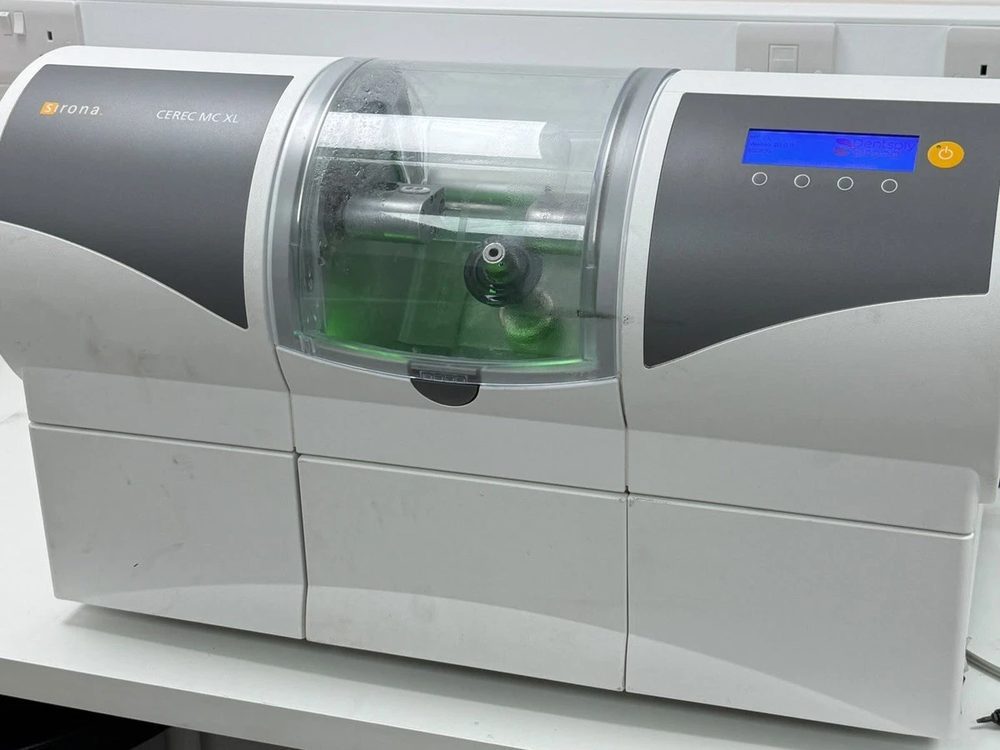
The best private dental care begins with diagnosis, not a price list. Before agreeing to finance, expect a full conversation about your concerns, your desired outcome, your oral health and the options available. For some people, a phased approach is best: stabilising gum health and replacing failing restorations before moving to whitening, veneers or orthodontics. For others, a carefully planned same-day digital workflow may be appropriate.
This is especially important for nervous patients. Sedation, gentle communication and a clearly paced treatment journey can transform the experience of dentistry. Payment flexibility can remove one source of worry, but it should sit alongside clinical reassurance, not replace it.
Be wary of offers that promise a perfect result without an assessment, or that focus solely on a tempting monthly amount. High-quality dentistry requires skill, planning, excellent materials and appropriate aftercare. Value is found in treatment that is safe, considered and designed to last – not merely in the shortest route to a cosmetic change.
Questions worth asking at your consultation
Before you apply, ask whether you are suitable for the treatment, what alternatives exist, and what result is realistically achievable in your case. Request a written estimate and ask whether there are foreseeable additional costs. If finance is offered, ask for the deposit, term, representative APR if relevant, monthly repayment, total amount repayable and the consequences of missed payments.
It is equally reasonable to ask about maintenance. Veneers, crowns, implants and orthodontic retainers all need ongoing care. Your clinician can explain the daily habits, hygiene appointments and review schedule that protect your investment. Planning for maintenance is part of planning for the result.
A payment plan should give you breathing room, not create pressure. Take the treatment plan home if you need time, review the figures carefully, and choose a route that lets you move forward with comfort, clarity and confidence in the smile you are creating.
Talk to the team at Lotus Clinic, Golders Green
See our page on general dentistry at Lotus Clinic for prices and who will treat you, or book a consultation at 943 Finchley Road, London NW11 7PE. Free parking on our driveway.