943 Finchley Rd, London NW11 7PE


Sedation Dentistry for Nervous Patients
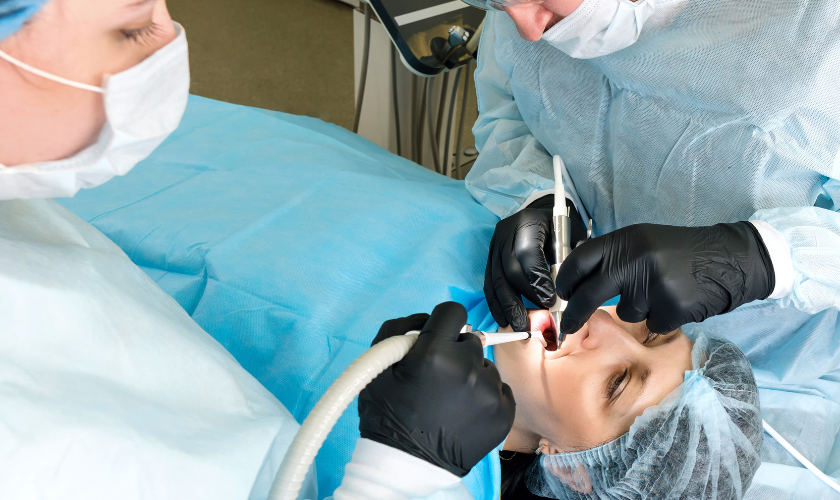
That moment when you sit in the waiting room and your heart starts racing is more common than many people realise. For some, the worry passes once they are in the chair. For others, it is enough to delay check-ups, ignore pain or avoid treatment for years. Sedation dentistry for nervous patients is designed to change that experience, making dental care feel calmer, more manageable and far less overwhelming.
Fear of the dentist is not a character flaw, and it is not something people should simply be expected to push through. It can be linked to a difficult past experience, a strong gag reflex, sensitive teeth, embarrassment about dental problems or a general fear of injections and loss of control. Whatever the reason, the result is often the same – delayed care, worsening oral health and more complex treatment later on.
Why sedation dentistry for nervous patients matters
The real benefit of sedation is not just that it helps someone feel relaxed during an appointment. It also helps break a cycle that can quietly damage both confidence and oral health. A patient who avoids a small filling may later need root canal treatment or an extraction. Someone who postpones hygiene visits because of anxiety can find themselves dealing with bleeding gums, bad breath or loose teeth. In cosmetic cases, fear can also stand in the way of the smile people have wanted for years.
Sedation creates a different starting point. It allows treatment to happen in a way that feels more comfortable, controlled and achievable. For many nervous patients, that first positive experience is the turning point. Once they see that dentistry does not have to feel stressful, future visits often become much easier.
This matters especially in a modern private setting, where treatment is not only about solving problems but also about restoring confidence. A calm patient is more able to move forward with the care they need, whether that means emergency dentistry, implants, cosmetic work or simply getting back on track with routine appointments.
What sedation dentistry actually feels like
One of the biggest misconceptions is that sedation means being fully asleep. In most cases, it does not. Sedation is usually about helping you feel deeply relaxed while remaining responsive. You can still follow simple instructions, but the edge of fear is reduced significantly.
The exact feeling depends on the type of sedation used and the individual patient. Some people describe it as feeling drowsy and detached from what is happening around them. Others feel calm but aware, with little memory of the procedure afterwards. That reduced memory can be a major advantage for nervous patients who tend to replay every detail of a dental visit.
It is also worth saying that sedation is not the same as pain control. Local anaesthetic is still used to numb the treatment area properly. Sedation works alongside that by reducing anxiety, helping the whole appointment feel smoother and more comfortable.
Who may benefit from sedation dentistry for nervous patients
Sedation can help people with severe dental anxiety, but it is not limited to those with a formal phobia. It may also be suitable for patients who have had traumatic dental experiences, struggle with a very sensitive gag reflex, need longer or more complex treatment, or find it difficult to sit comfortably for an extended period.
It can be particularly helpful for people having procedures they have built up in their mind as intimidating, such as extractions, implants or multiple treatments in one session. Some patients are not especially nervous about dentistry in general, but become very anxious about specific sounds, sensations or injections. Others are more concerned about feeling embarrassed after avoiding the dentist for a long time. Sedation can help in those cases too.
That said, suitability is always assessed properly rather than assumed. A careful review of medical history, current medications and treatment needs is essential. Safe sedation is personal, not one-size-fits-all.
Types of sedation and how they differ
In private dentistry, the most common option for anxious adults is conscious sedation. This often means intravenous sedation, where medication is given through a small cannula and carefully adjusted throughout the appointment. It works quickly, can be very effective for moderate to severe anxiety and is often preferred for more involved treatment.
There are also situations where lighter options may be considered, depending on the patient and procedure. The right choice depends on how anxious you feel, how long the treatment will take, your medical background and how much support you want during the appointment.
The key point is that sedation should match the patient, not just the procedure. Someone having a simple treatment but extreme anxiety may benefit more from sedation than someone having a more advanced procedure but feeling calm and confident.
Safety, monitoring and the value of experience
When patients ask whether sedation is safe, the honest answer is that safety depends on proper assessment, training, planning and monitoring. In an experienced clinical environment, conscious sedation is a well-established option that can be delivered very safely for suitable patients.
Before treatment, your medical history is reviewed in detail. During the appointment, you are monitored carefully, and the team follows strict protocols around dosing, observation and aftercare. This is where clinical experience really matters. Nervous patients do not just need the sedative itself. They need a team that knows how to communicate calmly, monitor properly and create a sense of trust throughout the whole visit.
Technology and good planning also play a part. Digital workflows, clear diagnostics and efficient treatment sequencing can shorten chair time and reduce uncertainty, both of which make a real difference to anxious patients. Advanced dentistry should feel reassuring, not intimidating.
What to expect before and after a sedation appointment
Good sedation starts before the day of treatment. A proper consultation gives you a chance to explain what makes you nervous, ask practical questions and understand how the appointment will work. That conversation matters. It helps the clinician tailor the experience so you feel prepared rather than surprised.
On the day itself, you will usually need to follow specific instructions about eating, drinking and arranging an escort home, depending on the type of sedation being used. After treatment, you may feel sleepy for a while, and you should expect to rest rather than return to normal activities straight away.
This is one of the trade-offs worth understanding. Sedation can make treatment dramatically easier, but it does involve extra planning. You may need time off work, support from a family member or friend, and a little flexibility around your schedule. For many nervous patients, that is a very worthwhile exchange for finally being able to have treatment in comfort.
Sedation is part of the answer, not the whole answer
The most successful approach to anxious dentistry usually combines sedation with compassionate care. Even the best clinical technique cannot make up for a rushed, cold or dismissive environment. Nervous patients need clear explanations, gentle pacing and a team that takes fear seriously.
That is why the overall patient journey matters so much. From the first phone call to the consultation and aftercare, every stage should feel supportive and organised. At Lotus Dental and Aesthetics Clinic, that calm, modern and patient-centred approach is central to helping people move from avoidance to action.
For some patients, one positive sedation appointment is enough to rebuild trust in dentistry. Others may choose sedation for several visits before feeling ready for treatment without it. Both paths are valid. The goal is not to prove bravery. The goal is to help you receive the care you need in a way that feels safe and manageable.
When sedation may not be the right choice
There are cases where sedation is not the best option, either for medical reasons or because another approach may be more appropriate. Some patients may be better suited to shorter appointments, staged treatment or behavioural support alongside routine local anaesthetic. Others may assume they need sedation when what they really need is a more thorough explanation and a gentler pace.
This is why an individual assessment is so important. Good clinicians do not push sedation unnecessarily, and they do not dismiss it when it could genuinely transform the experience. The right recommendation balances comfort, safety, complexity and personal preference.
If fear has been stopping you from getting treatment, the most useful first step is not to promise yourself you will somehow cope next time. It is to speak to a team that understands nervous patients and can offer real options. Dental anxiety may feel deeply personal, but it is treatable, and the right support can make care feel possible again.
Talk to the team at Lotus Clinic, Golders Green
See our page on care for nervous patients at Lotus Clinic for prices and who will treat you, or book a consultation at 943 Finchley Road, London NW11 7PE. Free parking on our driveway.