943 Finchley Rd, London NW11 7PE


How to Prepare for Dental Sedation

The question most patients ask is not whether sedation works. It is how to prepare for dental sedation so the day feels smooth, safe and far less stressful than they imagined. If you are already feeling anxious about treatment, the right preparation can make a remarkable difference to your comfort, confidence and recovery.
Sedation is designed to help you feel calmer during dental care, whether you are having a longer procedure, complex treatment or simply find dental visits overwhelming. For many people, it turns treatment they have been postponing for months, or even years, into something manageable. That said, good results do not start only when you sit in the dental chair. They start at home, with clear instructions and a plan that fits your health, your treatment and the type of sedation being used.
How to prepare for dental sedation before your appointment
The first step is to understand which form of sedation you are having. Preparation can vary depending on whether you are receiving intravenous sedation, oral sedation or another approach recommended by your clinician. The instructions for a short, simple appointment may not be the same as those for implant treatment or a more involved procedure.
This is why your medical history matters so much. Your dentist will usually ask about current medication, allergies, previous reactions to anaesthetic or sedation, pregnancy, and any conditions such as asthma, diabetes, high blood pressure or sleep apnoea. It is worth being thorough here. Even details that seem minor can affect how sedation is planned and monitored.
If you take regular medication, do not stop it unless your dentist or doctor tells you to. In many cases, you will be asked to continue your usual prescription medicines with a small sip of water, but there are exceptions. Blood thinners, diabetic medication and some supplements may need special advice. Herbal remedies can matter too, especially if they affect bleeding or interact with sedative drugs.
Eating and drinking instructions are one of the most important parts of preparation. Some patients are asked not to eat for a set number of hours before treatment, while others may be advised to have only a light meal earlier in the day. This depends on the sedation method and your medical profile. Follow the exact guidance you are given rather than relying on general advice from friends or the internet.
Alcohol should usually be avoided before sedation, and often afterwards as well. The same goes for recreational drugs. Both can interfere with the sedative effects, increase risk and make recovery less predictable. If this feels awkward to mention, remember that honesty helps your clinical team keep you safe.
Practical preparation the day before
A calm appointment often starts with a well-organised evening. Choose loose, comfortable clothing for the next day and avoid heavy make-up, strong fragrances or bulky jewellery. If you wear contact lenses, ask whether it would be better to wear glasses instead. Small details like these may seem unimportant, but they can make monitoring and comfort easier during treatment.
It also helps to get a good night’s sleep. Sedation can reduce anxiety, but it is not a substitute for rest. If you arrive already exhausted, dehydrated or stressed after rushing across London, you may feel more unsettled before treatment begins.
Plan your travel in advance. If you are having intravenous or oral sedation, you should expect to need a responsible adult to accompany you home and stay with you for a period afterwards. Public transport on your own is usually not appropriate. Driving yourself is not permitted after sedation, even if you feel fairly normal. Your judgement and reflexes may still be affected.
This is often the point patients overlook. They focus on getting to the clinic, but not on the hours afterwards. Arrange childcare if needed, move important decisions or work calls to another day, and make sure your home is set up for a quiet recovery. Having water, soft food and any recommended pain relief ready in advance can make the rest of the day much easier.
What to bring on the day
Bring a full list of your medication, including doses, and any relevant medical information. If your clinic has asked for forms to be completed beforehand, do not leave them until the last minute. Missing details can delay your appointment.
You should also bring your escort, or make sure they are contactable and available at the right time. In some cases, a clinic may not be able to proceed with sedation if you arrive alone. That can be deeply frustrating when you have built up the courage for treatment, so it is worth double-checking arrangements.
Eat or fast exactly as advised. Drink only what you have been told is acceptable. Brush your teeth unless your clinician has said otherwise, and arrive a little early so you are not flustered. Anxiety often rises when patients feel rushed.
If you are unwell on the day, especially with a chest infection, fever, vomiting or significant cold symptoms, call the clinic before travelling. Sedation is very safe in the right setting, but it should only go ahead when it is appropriate to do so.
What happens just before sedation starts
Many nervous patients worry that they will lose control or be completely unaware of what is happening. In reality, that depends on the type of sedation used. With intravenous sedation, for example, you are usually deeply relaxed and may remember very little, but you are not generally fully unconscious in the way you would be under general anaesthetic.
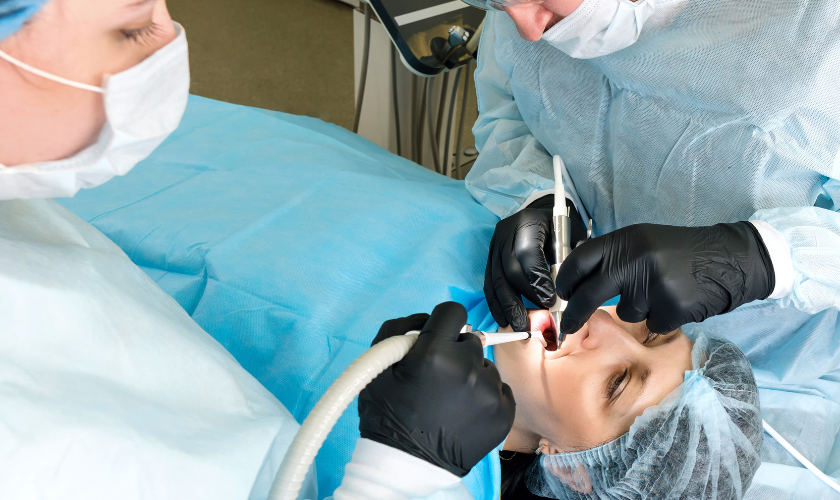
Before treatment begins, your clinician will talk through the plan again, confirm your medical details and answer last-minute questions. Monitoring equipment may be attached so your pulse, oxygen levels and blood pressure can be observed throughout. In a modern clinic, this careful monitoring is part of what makes sedation feel both reassuring and refined.
If you are frightened, say so. This is not a test of bravery. A caring clinical team expects those feelings and knows how to help. Sometimes the most effective preparation is simply knowing that you will be looked after properly from the moment you arrive.
How to prepare for dental sedation recovery
Preparing for the recovery period is just as important as preparing for the procedure itself. After sedation, you may feel sleepy, slightly unsteady or less alert than usual for several hours. Some people bounce back quickly. Others need the rest of the day to feel fully themselves again. It depends on the medication used, the length of the procedure and how your body responds.
Your escort should take you home directly, and you should plan to rest. Avoid driving, cycling, drinking alcohol, signing important documents, operating machinery or making major decisions for at least 24 hours, or for as long as your clinician advises. If treatment has also involved surgery, such as extractions or implants, you may have additional aftercare instructions around eating, exercise and oral hygiene.
Soft foods are often the safest option at first, particularly if your mouth feels numb or sore. Keep hydration up, but avoid anything your dentist has specifically told you not to have. If you have been prescribed medication afterwards, make sure you understand when to take it and whether it should be taken with food.
Recovery tends to be smoother when expectations are realistic. Sedation is excellent for comfort and anxiety control, but it does not mean you will necessarily feel instantly energetic afterwards. Give yourself permission to slow down.
Common concerns patients have
One of the most frequent worries is embarrassment. Patients tell us they are afraid they will say something odd, cry, or appear silly while sedated. In practice, dental teams who provide sedation regularly are used to supporting nervous patients with complete professionalism. Your focus does not need to be on how you appear. It needs to be on getting the care you need in a way that feels manageable.
Another concern is cost and whether sedation is worth adding to treatment. That depends on the procedure, your anxiety level and how likely you are to avoid treatment without it. For many people, sedation is not an extra luxury. It is what makes essential or transformative dentistry possible in the first place.
At a clinic such as Lotus Dental and Aesthetics Clinic, where advanced treatment and patient comfort are both central to the experience, sedation can be part of a more confident and carefully planned journey rather than a last resort for extreme fear.
When preparation needs to be more personalised
Some patients need more tailored advice. If you have a strong gag reflex, trauma around previous dental treatment, a complex medical history or an especially long procedure planned, your preparation may be more detailed. The same applies if you are combining sedation with surgical or cosmetic dental work that has its own aftercare demands.
This is where private, patient-centred care makes a real difference. A thoughtful team will not give you generic instructions and send you on your way. They will shape the plan around your health, your schedule and the result you want to achieve.
The best preparation is not complicated. It is simply careful. Ask questions, follow the instructions you are given, and treat the recovery period as part of the treatment, not an afterthought. When you do that, dental sedation becomes what it is meant to be: a calm, modern way to help you move forward with treatment and feel good about having done it.
Talk to the team at Lotus Clinic, Golders Green
See our page on care for nervous patients at Lotus Clinic for prices and who will treat you, or book a consultation at 943 Finchley Road, London NW11 7PE. Free parking on our driveway.