943 Finchley Rd, London NW11 7PE


Clear Aligner Treatment Guide for London Smiles
A wedding photograph, a work presentation or simply seeing yourself on a video call can make a crooked tooth feel more noticeable than ever. This clear aligner treatment guide explains how discreet orthodontic treatment works, what it can realistically achieve and how to make a confident decision about your smile.
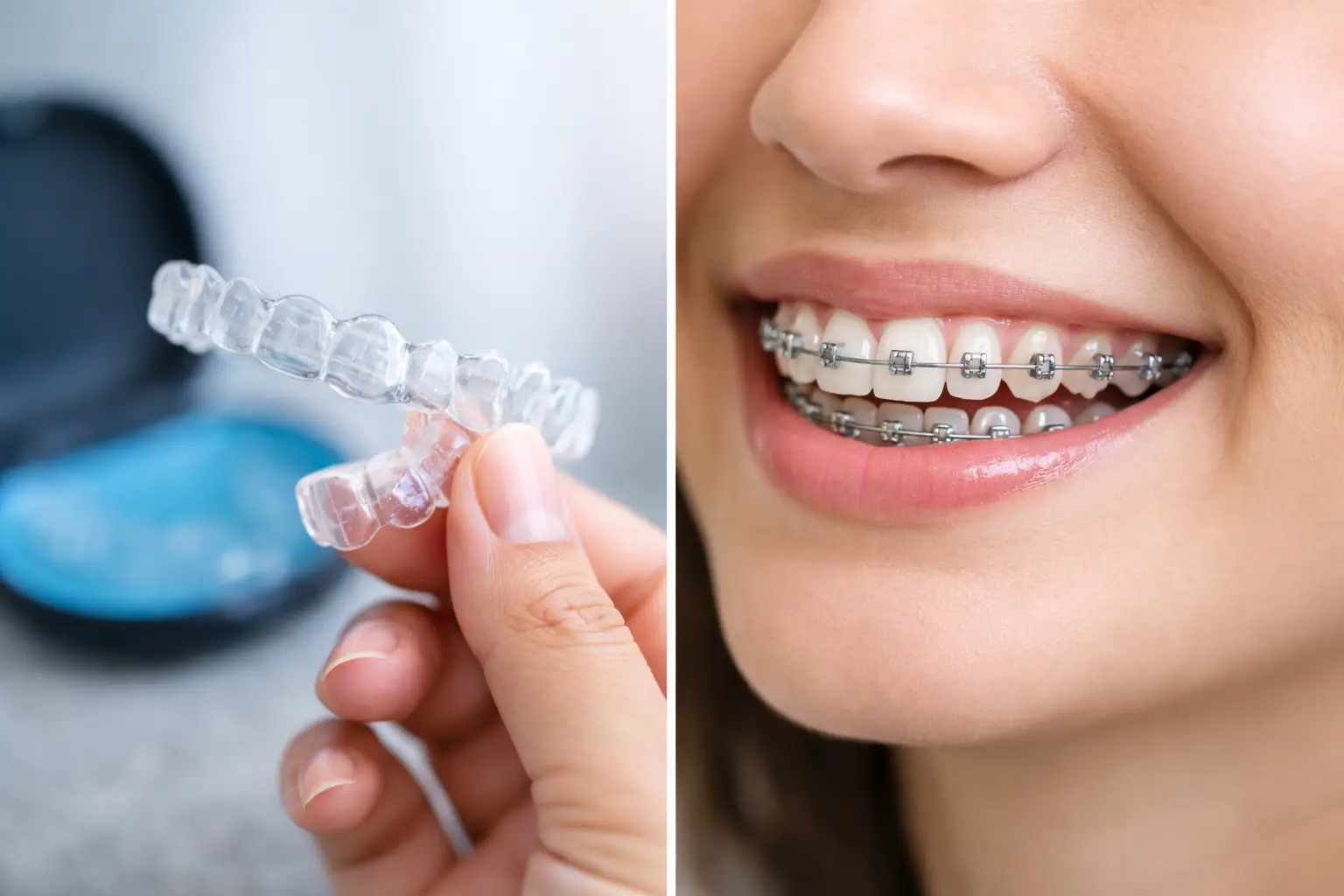
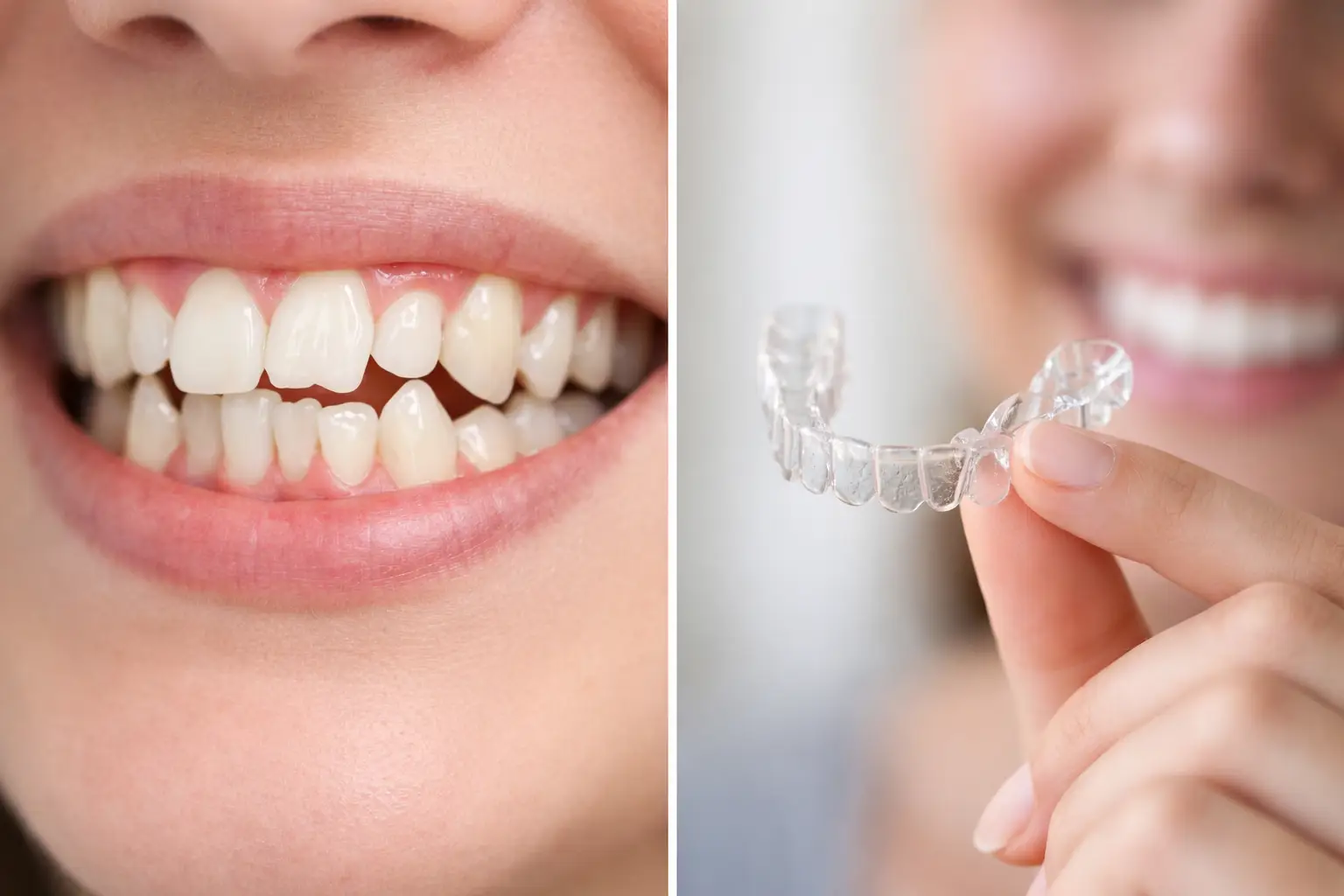
Clear aligners are transparent, removable trays designed around your teeth. They apply gentle, planned pressure to move teeth gradually, often without the appearance or day-to-day restrictions of fixed braces. For many adults, that combination of discretion and flexibility is exactly what makes treatment feel possible.
What clear aligner treatment can improve
Clear aligners can address a wide range of mild to complex orthodontic concerns. This may include crowded or overlapping teeth, spaces between teeth, teeth that have shifted since childhood braces, mild bite concerns and uneven smile alignment. A straighter smile can also make cleaning easier by reducing areas where plaque collects between crowded teeth.
The most appealing benefit is that the trays are clear and removable. You take them out to eat, drink anything other than water, brush and floss. There are no brackets or wires to catch on food, and many patients find the smooth plastic more comfortable against the cheeks and lips than traditional fixed appliances.
However, clear aligners are not automatically the best choice for every smile. More significant bite discrepancies, severely rotated teeth, complex jaw relationships or teeth that need extensive restorative work first may require a different approach, or a carefully combined treatment plan. A clinical assessment is the only reliable way to know what will deliver a healthy, stable result.
Your clear aligner treatment guide: from consultation to new smile
Treatment begins with a detailed consultation, not a box of trays. Your clinician will examine your teeth, gums and bite, discuss what you would like to change and check that your mouth is healthy enough for tooth movement. Gum disease, untreated decay or persistent inflammation should be managed before orthodontic treatment starts. Moving teeth in an unhealthy mouth is never the right shortcut.
Digital scans are usually taken instead of traditional impression material. These create an accurate 3D model of your teeth and allow your clinician to plan each stage of movement. You may be shown a digital simulation of the proposed outcome. It is an exciting moment, but it should be viewed as a treatment preview rather than a guarantee – final results depend on biology, aligner wear and how your teeth respond.
The personalised treatment plan
Once your plan is approved, a series of bespoke aligners is made. Each set is worn in sequence, normally for around one to two weeks before moving to the next. Small tooth-coloured attachments may be placed on selected teeth. These are discreet grips that help the aligners apply the right forces for more precise movements.
Some patients need slender spaces created between certain teeth, known as interproximal reduction. This is a controlled, minimal reshaping of enamel that can create room where crowding is present. It is not necessary for everyone, and your clinician should explain clearly why it is recommended, how much enamel is involved and what alternatives may exist.
You will return for review appointments so your progress can be checked and your treatment refined where needed. Modern planning is highly advanced, but orthodontics is not entirely automated. Experienced clinical supervision matters because teeth do not always move exactly as predicted.
Wearing aligners well
For clear aligners to work, they need to be worn for around 20 to 22 hours a day unless your clinician advises otherwise. That means they come out for meals, snacks and drinks other than water, then go straight back in after you have cleaned your teeth where possible.
This is the central trade-off of removable treatment. You have freedom at mealtimes and for special occasions, but you also have responsibility. Leaving aligners out for long periods can slow progress, affect tracking and increase the likelihood that extra aligners will be needed.
A practical routine makes compliance easier. Keep your case with you rather than wrapping trays in a napkin, which is how many aligners are accidentally thrown away. Rinse them in cool water, clean them gently with a soft toothbrush or an aligner cleaner, and avoid hot water that could distort the plastic. Brush and floss before putting them back in, particularly after sugary food or drinks.
How long does clear aligner treatment take?
Every treatment timeline is individual. A small amount of front-tooth crowding may be corrected in a matter of months, while more comprehensive orthodontic treatment can take 12 to 18 months or longer. The number of aligners is only one part of the picture. Bite correction, refinements, missed wear time and the way your teeth respond can all affect the final schedule.
Refinement aligners are common and should not be seen as a failure. They are additional sets designed to fine-tune tooth positions after the initial series. The aim is not merely to make the front teeth look straighter in photographs, but to achieve an outcome that is attractive, functional and as stable as possible.
If you have a deadline, such as a holiday or important event, bring it up at your consultation. Your clinician can discuss what may be achievable safely within that period. Rushing orthodontic movement or promising a finish date before proper planning would not protect your long-term result.
Is treatment comfortable?
Most people describe a feeling of pressure for the first day or two of each new aligner. This is usually a sign that the tray is engaging the teeth. Any tenderness is generally manageable and settles quickly, although everyone experiences treatment differently.
You may speak with a slight lisp at first, especially with the aligners in place. Reading aloud for a few minutes can help your mouth adapt, and most patients adjust within days. Attachments can feel unfamiliar initially, but they are polished and designed to be as unobtrusive as possible.
For nervous patients, the predictability of digital planning and the ability to remove trays can make treatment feel far less daunting than expected. At Lotus Dental and Aesthetics Clinic, every plan is approached with calm, clear explanations and the clinical detail needed to help you feel in control at every stage.
What happens after your aligners?
The day your teeth reach their planned positions is not the end of orthodontic care. Teeth naturally have a tendency to move over time, particularly in the lower front teeth. Retainers protect the investment you have made in your smile.
Your clinician may recommend clear removable retainers, a discreet fixed retainer bonded behind the front teeth, or a combination of both. Retainers are usually worn full-time at first and then at night on an ongoing basis, according to your individual instructions. Skipping this stage can allow relapse, even after a beautifully finished result.
Many patients choose to enhance their smile after orthodontics with whitening, edge bonding or carefully planned cosmetic dentistry. This should be considered only once your bite is stable and your teeth and gums are healthy. Sometimes the best transformation is remarkably subtle: teeth aligned in the right position, a natural tooth shade and a smile that still looks entirely like you.
Questions worth asking at your consultation
A quality consultation should leave you informed rather than pressured. Ask whether clear aligners are suitable for your specific bite, what is included in the quoted fee, whether refinements and retainers are covered, and what happens if treatment takes longer than expected. It is also sensible to ask about payment options if spreading the cost would make treatment more manageable.
Look beyond before-and-after photographs alone. Ask who will be planning and monitoring your treatment, how often you will be reviewed and whether your oral health has been fully assessed. The value of clear aligner treatment lies not only in the trays, but in the diagnosis, planning and support surrounding them.
A straighter smile should feel like an enhancement to your confidence, not a compromise on comfort or health. The right plan starts with an honest conversation about where your smile is now, where you would like it to be and the careful steps that can take you there.
Talk to the team at Lotus Clinic, Golders Green
See our page on Invisalign at Lotus Clinic for prices and who will treat you, or book a consultation at 943 Finchley Road, London NW11 7PE. Free parking on our driveway.