943 Finchley Rd, London NW11 7PE


Can Veneers Fix Chipped Teeth?

A chipped tooth has a habit of drawing your eye every time you catch your reflection. Even a small chip can change the shape of a smile, make a front tooth look uneven, and leave you wondering whether the fastest route back to confidence is veneers. If you are asking can veneers fix chipped teeth, the honest answer is often yes, but not always. It depends on the size of the chip, which tooth is affected, your bite, and whether the tooth is otherwise healthy.
For many patients, veneers are an excellent cosmetic solution because they do more than cover a flaw. They can refine shape, improve symmetry, brighten the smile, and create a more polished overall result. That said, veneers are not the right answer for every chipped tooth, and good treatment planning matters just as much as the final result.
Can veneers fix chipped teeth in every case?
Veneers can fix chipped teeth when the damage is mainly cosmetic and the tooth still has enough healthy enamel to support the veneer properly. This is especially common with small to moderate chips on front teeth, where appearance is the main concern and the underlying tooth remains strong.
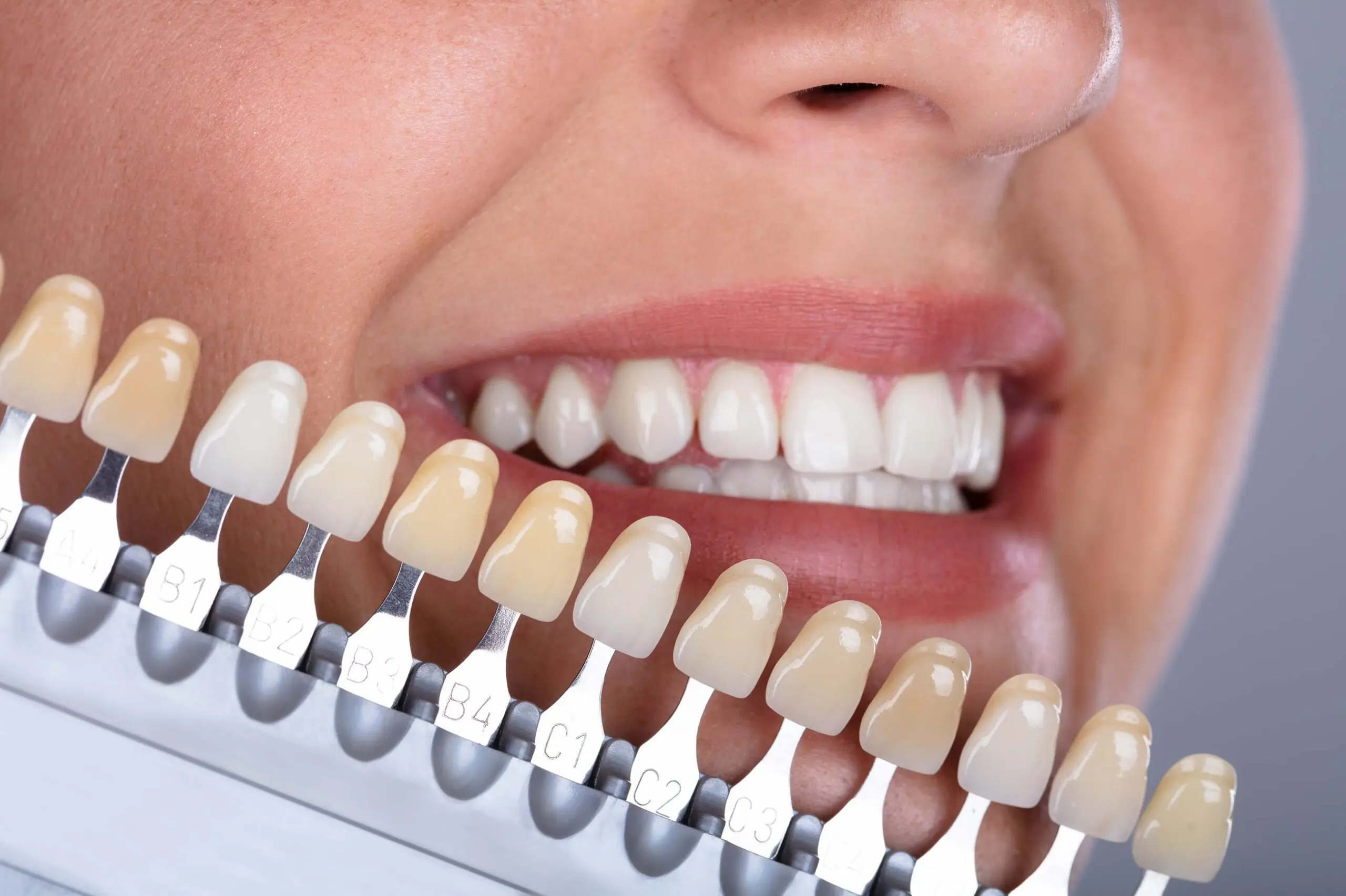
A veneer is a thin facing, usually made from porcelain or composite, bonded to the front surface of the tooth. It masks the chip and restores a smoother, more balanced outline. Because veneers are designed with precision, they can also improve other details at the same time, such as uneven edges, worn enamel, minor gaps, and slight differences in size.
Where veneers are less suitable is when the chip is large, the tooth is structurally weakened, decay is present, or the damage extends in a way that affects function. In those cases, a dental crown, composite bonding, or another restorative treatment may be more appropriate. If there is pain, sensitivity, or trauma to the nerve, the priority is restoring health first and appearance second.
When veneers are a good option for chipped teeth
Veneers work best when the goal is cosmetic refinement with a durable, natural-looking finish. A patient who has chipped a front tooth but also wants a whiter, more even smile is often an ideal candidate. Rather than simply patching the damaged area, veneers can create a more complete transformation.
Porcelain veneers are particularly popular for visible teeth because they reflect light in a way that looks very natural. They are also stain resistant and can deliver a beautifully smooth finish. If your chipped tooth has also become worn or uneven over time, a veneer can restore proportion and help the smile look fresher and more youthful.
Composite veneers may also be considered in some cases. These are typically more conservative and can sometimes be completed more quickly, but they do not usually offer the same long-term stain resistance or refinement as porcelain. The best option depends on your goals, budget, and the condition of the tooth.
When a veneer is not the best treatment
A chipped tooth is not always a veneer case. If the tooth has lost too much structure, a veneer may not give enough strength or coverage. A crown may be recommended instead because it covers more of the tooth and offers greater protection.
If the chip is very small, composite bonding may be the smarter choice. Bonding can often rebuild a small missing corner in a single visit, with little or no preparation of the natural tooth. It is a highly effective option when the surrounding tooth is in good condition and the patient wants a minimally invasive repair.
There are also bite-related issues to consider. If you grind your teeth, clench heavily, or have an edge-to-edge bite, a veneer may be at higher risk of chipping or debonding unless the bite is managed carefully. In those situations, your dentist may recommend protection such as a night guard, or suggest a different restoration altogether.
Veneers vs composite bonding for chipped teeth
This is where many patients pause, because both treatments can improve a chipped tooth very successfully. The difference is in the level of transformation, longevity, and detail.
Composite bonding is usually the more conservative option. It is excellent for smaller chips and can often be shaped directly onto the tooth in one appointment. It tends to cost less upfront and preserves more natural enamel. For the right case, it can look extremely good.
Veneers are often chosen when patients want a more comprehensive cosmetic upgrade. If the chipped tooth is only one part of a wider concern about colour, shape, or unevenness, veneers can provide a more dramatic and polished result. Porcelain veneers also tend to be more durable and more resistant to staining over time.
The trade-off is that veneers require more planning and, in many cases, some tooth preparation. They are an investment in both appearance and longevity, which is why they are best suited to patients looking for a premium finish rather than a simple repair.
What to expect if you choose veneers
The process starts with a detailed assessment. A well-planned veneer should never be based on the chip alone. Your dentist will examine the health of the tooth, the condition of the enamel, your bite, gum balance, and how the tooth sits within the smile. Digital imaging and smile design can be especially valuable here, because they allow treatment to be tailored with precision.
If veneers are the right option, the tooth is prepared carefully and impressions or scans are taken. For porcelain veneers, the final restoration is then crafted to match the desired shape, shade, and contour. The aim is not just to hide a chip but to make the tooth look as though it was always meant to be that way.
When bonded in place properly, a veneer should feel smooth, secure, and natural. Patients often say the biggest change is not just how the tooth looks, but how relaxed they feel when smiling again.
Can veneers fix chipped teeth permanently?
No dental treatment is permanent in the strictest sense, and any clinician promising that would be oversimplifying things. Veneers are long-lasting, but they are not indestructible. With good care, porcelain veneers can last many years, but they may eventually need replacing.
Longevity depends on several factors, including the quality of the treatment, oral hygiene, bite forces, and everyday habits. Biting fingernails, chewing ice, opening packaging with your teeth, or untreated grinding can all shorten the lifespan of a veneer.
The good news is that well-made veneers are a reliable and established treatment. For suitable patients, they can provide years of confidence and excellent aesthetics. The key is choosing the right treatment for the right reason, rather than assuming every chip needs the same fix.
The aesthetic advantage of treating a chipped front tooth properly
Front teeth sit at the centre of the smile, so even minor damage can have a surprisingly big visual impact. A rushed repair may solve the obvious problem but still leave the tooth slightly flat, bulky, or mismatched in colour. That is why cosmetic planning matters.
A refined veneer case considers the whole smile. The dentist looks at tooth proportions, facial features, lip line, and how light moves across the enamel. This is where high-level cosmetic dentistry makes a visible difference. The goal is not simply to cover damage. It is to create a result that looks elegant, believable, and in harmony with the rest of your appearance.
For patients who are already thinking about whitening, straightening, or improving old dental work, a chipped tooth can sometimes be the prompt to address the smile more fully. At a modern clinic such as Lotus Dental and Aesthetics Clinic, that level of planning can be combined with advanced digital workflows and a calm, supportive patient experience, which makes treatment feel more comfortable from the start.
So, are veneers right for your chipped tooth?
If your tooth is healthy, the chip is visible when you smile, and you want a highly aesthetic result, veneers may be an excellent option. If the damage is minimal, bonding may be enough. If the tooth is weak or heavily broken, a crown may be the better route. This is why a proper consultation matters more than internet generalisations.
The best treatment is the one that restores confidence without compromising long-term health. A chipped tooth may look like a small problem, but the right fix can change how you feel every time you speak, laugh, or see yourself in a photograph. That is worth getting right.
Talk to the team at Lotus Clinic, Golders Green
See our page on veneers and composite bonding at Lotus Clinic for prices and who will treat you, or book a consultation at 943 Finchley Road, London NW11 7PE. Free parking on our driveway.