943 Finchley Rd, London NW11 7PE


Dermal Fillers for Cheeks and Natural Balance

A flatter mid-face can make the under-eye area appear heavier, soften the definition of the jawline and leave the whole face looking tired – even when you feel well. Dermal fillers for cheeks are designed to restore or enhance this central facial support with carefully placed volume, helping the face look fresher, more balanced and naturally lifted rather than noticeably ‘done’.
At Lotus Dental and Aesthetics Clinic in Golders Green, cheek filler treatment is approached as facial design, not a one-size-fits-all injection. The best result respects your existing features, your proportions and the amount of change you genuinely want to see.
What cheek filler can change
The cheeks are not just about prominent cheekbones. They provide structure to the middle of the face. Over time, natural collagen, fat and bone support can reduce, allowing the cheeks to look flatter and folds around the nose and mouth to become more apparent. Some people also naturally have less cheek projection and want clearer facial contour.
A high-quality hyaluronic acid filler can be placed at selected points to create subtle projection, replace lost volume or improve the transition between the cheeks and under-eye area. Depending on your anatomy and treatment plan, the visual effect may include a more rested appearance, gently elevated contours and improved facial harmony from the front and side.
This is why cheek treatment can be an excellent choice for people who do not want to add volume directly to every line they notice. Restoring support higher in the face may soften the appearance of lower facial shadowing without making the face look overfilled. However, this is not guaranteed and depends on skin quality, tissue descent and the cause of the concern.
Dermal fillers for cheeks: who are they for?
Cheek filler can suit adults who would like more defined cheekbones, have noticed age-related hollowing through the mid-face, or want to rebalance facial proportions. It is often chosen by patients who feel their face looks tired in photographs despite good skincare and adequate rest.
A consultation matters because the right approach differs widely between patients. A younger patient may need only a small amount of filler for elegant contour. Someone with volume loss may benefit from restoring deeper structural support before considering more superficial refinement. If puffiness, significant loose skin or pronounced under-eye bags are the main concern, filler may not be the most appropriate answer. An experienced clinician should be honest about this rather than treating every concern with more product.
Treatment may need to be postponed if you are pregnant or breastfeeding, have an active skin infection, are unwell, have recently had certain dental work, or have a medical history that requires additional assessment. Always share your full medical history, medications, allergies and previous aesthetic treatments at your appointment.
Your consultation: planning for balance, not excess
Natural-looking cheek filler begins before the first injection. Your clinician will assess your face at rest and in movement, looking at cheek projection, symmetry, skin condition, jawline, temples, chin and under-eye area. The aim is not to copy someone else’s face or chase a filter. It is to create a result that belongs on you.
You should discuss what you see in the mirror, what concerns you in photographs and whether your priority is lift, definition, replacement of lost volume or a combination of these. Bring realistic expectations. Filler can enhance shape and support, but it cannot replicate surgery, erase all texture, or stop the ageing process.
Your practitioner should explain the proposed placement, likely amount of filler, anticipated longevity, costs, potential side effects and alternatives. This is also the time to ask who will carry out the treatment, what product will be used and how complications are managed. A reputable clinic will never make you feel rushed into treatment.
What happens during cheek filler treatment?
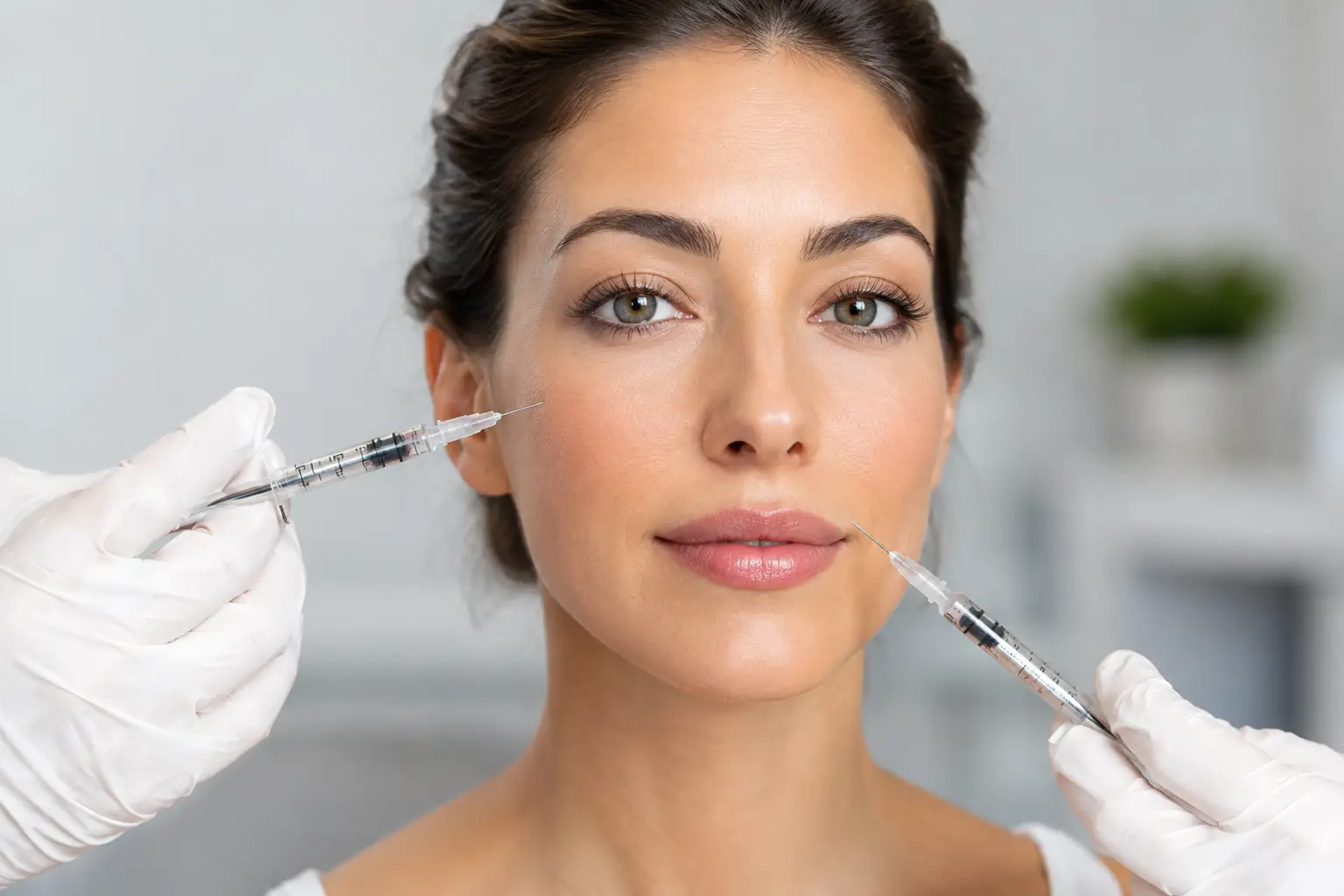
After photographs and consent, the skin is cleansed and treatment points are carefully marked. Many modern fillers contain local anaesthetic, and topical numbing cream may be used where appropriate to improve comfort. The clinician may use a fine needle, a cannula, or both, depending on the area and the technique selected.
Filler is usually placed gradually, with the face assessed throughout. This measured approach helps protect natural expression and avoids adding more volume than necessary. Most appointments are relatively quick, although your first visit should allow enough time for an unhurried consultation and aftercare discussion.
You may see an immediate improvement, but the final appearance is better judged once early swelling has settled. A review may be recommended where appropriate, particularly if your treatment plan has been deliberately staged. Building results conservatively can be safer and more flattering than trying to achieve a dramatic change in one appointment.
Recovery and aftercare
Downtime is usually minimal, but plan around the possibility of temporary swelling, tenderness, redness, bruising or small areas of firmness. These effects often settle within a few days, though bruising can last longer for some people. Scheduling treatment well ahead of a wedding, holiday or major event is sensible.
For the first 24 hours, avoid pressing or massaging the treated area unless your clinician has specifically advised it. Keep exercise light, avoid excessive heat such as saunas and steam rooms, and delay alcohol if possible, as it can worsen swelling and bruising. Follow the individual aftercare instructions you receive, particularly if you have had other facial treatments at the same time.
Do not rely on social media advice for concerns after injectable treatment. Contact your treating clinic promptly if you are worried about anything.
Safety is part of a beautiful result
Dermal filler is a medical aesthetic treatment, not a beauty counter purchase. Even in experienced hands, there are risks. Common effects include short-term bruising, swelling and tenderness. Less common issues can include infection, asymmetry, lumps, delayed inflammatory reactions or filler migration.
A rare but serious complication can occur if filler enters or compresses a blood vessel. Warning signs can include severe or increasing pain, unusual blanching or discolouration of the skin, a mottled appearance, coldness in the area, or changes to vision. This requires urgent medical assessment. Choosing a medically qualified, properly trained practitioner with a clear emergency protocol is central to safe treatment.
For this reason, price should never be the only deciding factor. Product quality, facial anatomy knowledge, sterile technique, consultation standards and access to appropriate follow-up care all matter. A cheap appointment can become costly if correction is needed later.
How long do cheek filler results last?
Hyaluronic acid cheek filler often lasts around 9 to 18 months, but this is a guide rather than a promise. The product chosen, amount placed, your metabolism, facial movement and lifestyle can all affect longevity. Deeper structural placement may last longer than filler placed in more mobile or superficial areas.
Maintenance should be based on how your face looks and feels, not a fixed calendar date. Some patients prefer a small review treatment before volume fully fades; others wait longer. Your clinician can help you avoid both extremes: letting the face lose all support before returning, or adding product too frequently without reassessing the overall result.
Choosing a result you will still love in photographs
The most successful cheek filler is rarely the most obvious. It creates a rested, refined impression while allowing people to recognise you immediately. That often means prioritising proportion over projection and respecting the natural asymmetry present in every face.
If you are considering dermal fillers for cheeks, start with a detailed, face-to-face consultation and give yourself permission to ask every question. A careful plan, a skilled clinician and a conservative first treatment can make the difference between simply adding volume and achieving confident, beautifully balanced enhancement.
Talk to the team at Lotus Clinic, Golders Green
See our page on facial aesthetics at Lotus Clinic for prices and who will treat you, or book a consultation at 943 Finchley Road, London NW11 7PE. Free parking on our driveway.