943 Finchley Rd, London NW11 7PE


Digital Scanning for Dental Implants

A loose denture, a failing tooth, or years of avoiding photos can make implant treatment feel overdue. What often reassures patients at the consultation stage is seeing how digital scanning for dental implants changes the process from something uncertain into something highly planned, visual and precise.
For many people, the word implant still brings to mind messy impressions, guesswork and lengthy treatment. Modern implant dentistry looks very different. With advanced digital scans, clinicians can assess your teeth, gums, bite and bone structure in remarkable detail before treatment begins. That means fewer surprises, more accurate planning and a smoother experience from consultation through to the final smile.
What digital scanning for dental implants actually means
Digital scanning for dental implants usually involves two parts. The first is an intraoral scan, where a small handheld scanner captures a highly detailed 3D image of your teeth and gums. The second may involve 3D imaging of the jawbone, often with CBCT technology, so the clinician can assess bone volume, density and important anatomical structures.
Together, these scans create a far more complete picture than traditional methods alone. Instead of relying on putty moulds and two-dimensional views, the dentist can plan the implant position with precision, assess whether grafting may be needed, and design the final restoration around both function and appearance.
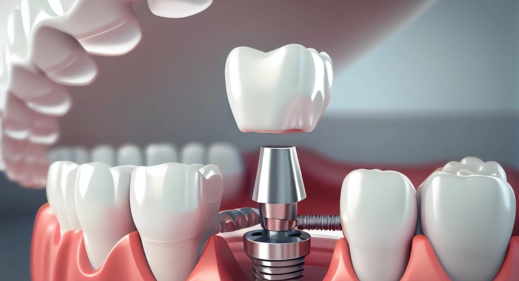
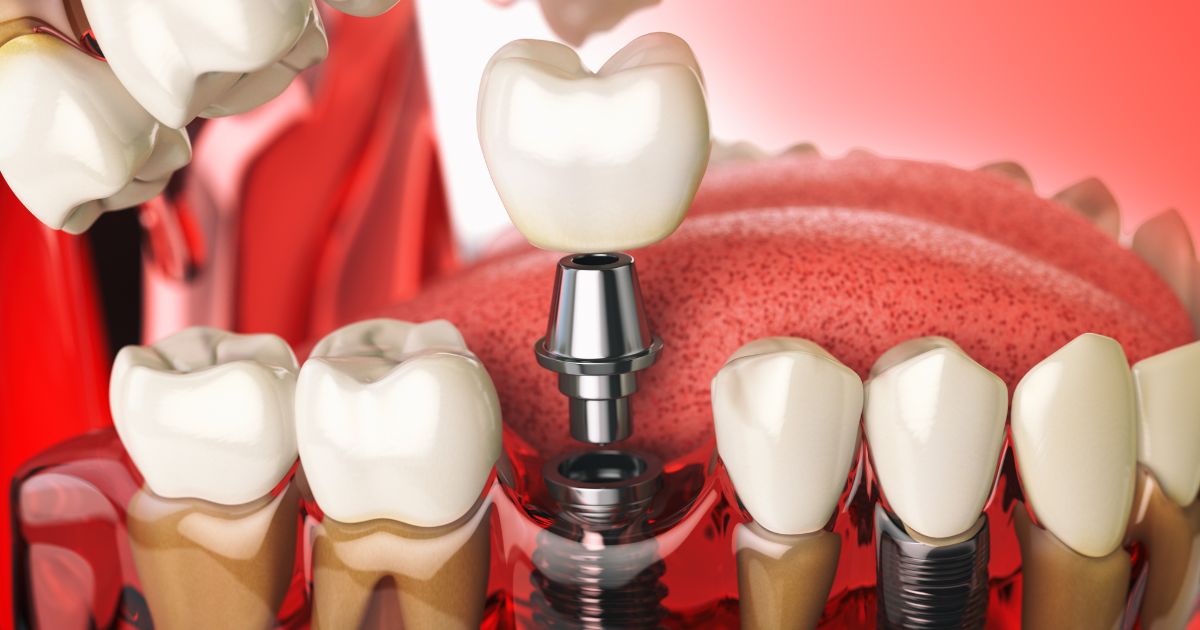
That matters because implant treatment is never just about placing a titanium post in bone. It is about where that implant sits, how it supports the final crown, how it affects the gum line, and how naturally it fits with your smile.
Why patients often prefer a digital workflow
Comfort is one of the first benefits patients notice. Traditional impressions can be unpleasant, especially if you have a strong gag reflex or feel anxious in the dental chair. A digital scan is usually quicker, cleaner and easier to tolerate.
The bigger advantage, though, is accuracy. Implant treatment is a chain of decisions, and each one affects the next. If the early records are more precise, the planning becomes stronger, the surgical guide can be more accurate, and the final restoration is more likely to feel and look right from the start.
For busy London patients, there is also the practical side. A digital workflow can reduce repeated adjustments, minimise delays between stages and make communication between dentist, implant clinician and laboratory more efficient. It does not mean every case is completed at speed, because some smiles need healing time and careful staging, but it often helps treatment move forward with fewer complications.
How digital scans improve implant planning
A successful implant needs enough healthy bone, the right angulation and a restoration that works in harmony with your bite. Digital planning helps clinicians evaluate all of this before surgery rather than making key decisions on the day.
With detailed 3D data, the implant position can be planned in relation to the future crown, not just the available space in the bone. This is an important distinction. An implant can be technically placed but still produce a disappointing cosmetic result if the angle or position is wrong. Digital planning helps avoid that.
It also improves safety. The clinician can identify the location of nerves, sinus spaces and nearby tooth roots, then choose implant dimensions and positioning accordingly. In more complex cases, especially when replacing multiple teeth or planning full-arch treatment, that level of detail becomes even more valuable.
The role of guided implant surgery
One of the most powerful uses of digital scanning is in guided implant surgery. Once the scans have been reviewed, specialist software can be used to plan the ideal implant position. A surgical guide can then be created to help transfer that plan accurately to the mouth.
This approach is not necessary in every case, but it can be especially beneficial where precision is critical, such as front teeth, limited bone volume, or same-day implant protocols. It can also support a more conservative procedure in selected cases, with less disruption to the surrounding tissues.
For patients, the appeal is simple. Better planning usually leads to a calmer surgical appointment and a more predictable outcome.
Can digital scanning make implants faster?
Sometimes yes, but faster is not always the main goal. Better is the main goal.
In straightforward cases, digital records can streamline the process from consultation to restoration. If the bone and gum condition are favourable, and the case is suitable for a guided approach, treatment can be organised efficiently and with fewer appointments than older workflows often required.
This is particularly relevant in same-day or Teeth in a Day treatment, where digital planning helps coordinate implant placement and provisional teeth with great precision. However, not every patient is suitable for immediate loading. If there is infection, inadequate bone stability, gum disease or other complicating factors, a staged approach may still be the safest option.
A high-tech process should never rush a case that needs time. The value of digital dentistry is that it gives you clearer information so the right pace can be chosen for your smile.
Digital scanning and cosmetic results
Implants need to feel strong when you eat and speak, but aesthetics matter just as much, especially in visible areas of the smile. Digital scans help clinicians assess the relationship between the tooth, gum tissue, lips and facial proportions with far greater clarity.
That allows for more refined treatment planning. The shape, size and position of the final tooth can be considered early, not left as an afterthought. In some cases, temporary restorations can also be designed to support the soft tissue in a way that creates a more natural emergence profile around the implant crown.
For patients who are image-conscious, this is often where digital treatment feels especially reassuring. You are not simply replacing a missing tooth. You are rebuilding confidence in a way that should look balanced, natural and tailored to you.
Is digital scanning suitable for nervous patients?
In many cases, yes. Patients who feel anxious often worry about discomfort, uncertainty and the fear of something going wrong. Digital workflows can help on all three fronts.
The scanning process itself is usually more comfortable than conventional impressions. The planning stage is easier to explain because the scans provide clear visuals. And because treatment is mapped out in advance, patients often feel more in control and better informed.
That said, technology alone does not create a calm experience. The human side still matters. Reassurance, gentle care, careful communication and, where appropriate, sedation all remain important parts of implant treatment. The best results come when advanced tools are matched with experienced, caring clinicians.
Are there any limitations?
Digital scanning is a major step forward, but it is not magic. The quality of the outcome still depends on the clinician’s judgement, the suitability of the case and the condition of the surrounding tissues.
Some mouths are harder to scan than others, particularly where there is bleeding, limited access or complex soft tissue anatomy. Some cases still need traditional techniques alongside digital ones. And although guided surgery can improve precision, it does not replace experience. A digital plan is only as good as the person interpreting it.
Patients should also know that advanced planning may reveal issues that need addressing first, such as gum disease, bone loss or failing neighbouring teeth. While that can feel disappointing if you are hoping for a quick fix, it is actually a sign of good care. The aim is long-term success, not short-term convenience.
What to expect at your implant consultation
At a modern clinic, your consultation for implant treatment may include digital scans, photographs, a bite assessment and a detailed discussion about your goals. You may be surprised by how much attention is paid not only to the missing tooth, but to your overall smile, oral health and facial balance.
This is where digital dentistry becomes genuinely useful. It helps translate a complex treatment plan into something visual and understandable. You can see what the clinician sees. You can discuss options with greater clarity. And you can make decisions based on precise information rather than assumptions.
At Lotus Dental and Aesthetics Clinic, that combination of advanced technology and patient-centred care is central to creating implant journeys that feel more comfortable, more transparent and more confidence-building.
Digital scanning for dental implants has raised the standard of what patients can expect – not just in precision, but in comfort, communication and cosmetic outcome. If you are considering implants, the real question is not whether dentistry has moved on. It has. The better question is whether your treatment plan is being built with the level of detail your smile deserves.