943 Finchley Rd, London NW11 7PE


What Is Fully Guided Dental Implant Surgery?
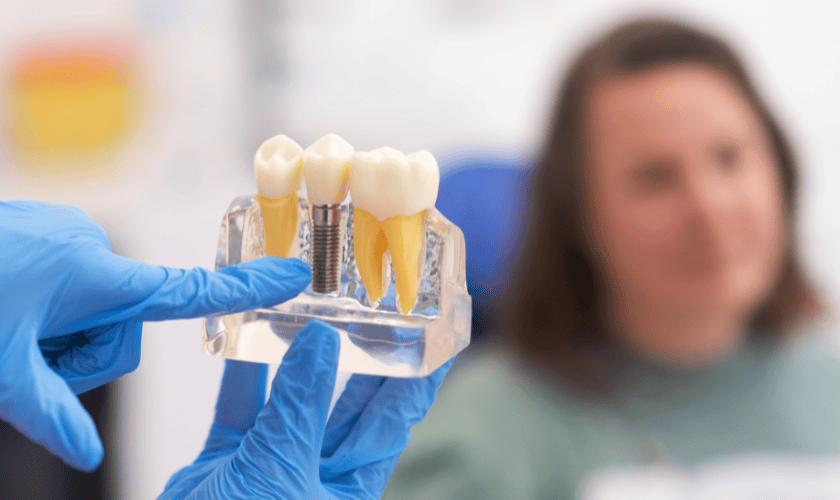
If you have been told you need a dental implant, one question usually comes up quite quickly – how precise is the procedure going to be? That is exactly where fully guided dental implant surgery changes the experience. Rather than placing an implant freehand, your clinician plans the position digitally in advance and uses a custom surgical guide on the day, so treatment is designed around accuracy, safety and a more controlled result.
For many patients, that level of planning is reassuring. It can mean fewer surprises, a more efficient appointment and a treatment journey that feels much calmer from start to finish. If you are replacing a single tooth or considering a more advanced restoration, understanding how guided implant treatment works can help you make a more confident decision.
What fully guided dental implant surgery actually means
Fully guided dental implant surgery is a digitally planned method of placing implants using a bespoke guide that sits over the teeth or gums during the procedure. Before treatment begins, detailed scans and digital records are combined to map out the ideal implant position, angle and depth.
This matters because dental implants are not simply placed where there is space. They need to be positioned with the final result in mind – how your bite functions, how the new tooth will look, the quality of available bone and the location of nearby anatomical structures such as nerves or the maxillary sinus. A guided approach allows the clinician to plan the restoration first and then place the implant in the position that best supports it.
In simple terms, it is a more advanced way of turning careful planning into highly controlled surgery.
How the process works
The process begins with assessment and digital diagnostics. This often includes a 3D CBCT scan, digital impressions or intraoral scans, clinical photographs and a detailed examination of your bite and gum health. If a tooth is already missing, the area is assessed for bone volume and density. If a tooth still needs to be removed, that also becomes part of the planning.
Using this information, the implant is positioned virtually before your appointment. The clinician can evaluate the ideal angle, depth and restorative outcome on screen rather than making every decision during surgery itself. A surgical guide is then produced to transfer that plan accurately to the mouth.
On the day of treatment, the guide helps direct the instruments and implant placement according to the approved digital plan. Depending on the case, this can reduce the need for larger incisions and may support a less invasive approach.
Why patients often choose fully guided implant treatment
Precision is the obvious advantage, but it is not the only one. The real benefit is that fully guided implant surgery allows treatment to be more predictable. When the implant is placed in the right position from the beginning, it supports better long-term function and a more natural-looking restoration.
Many patients also appreciate the comfort factor. Because the procedure is planned in detail beforehand, surgery can be more efficient and less physically demanding. In suitable cases, there may be less swelling, less trauma to the surrounding tissues and an easier recovery period than patients expect.
There is also a psychological benefit. Nervous patients often feel more comfortable when they know the procedure is not being worked out in real time. A digitally planned approach feels structured, modern and carefully controlled, which can make a major difference if dental treatment has felt overwhelming in the past.
When fully guided dental implant surgery is especially useful
Guided surgery can be valuable in straightforward cases, but it becomes particularly helpful when there is less room for compromise. If an implant is being placed in the front of the mouth, aesthetics matter enormously. Even a small positional error can affect the appearance of the final crown and the contour of the gum.
It is also useful where bone volume is limited, where multiple implants are being placed, or where the patient wants a same-day solution such as immediate temporary teeth. In these situations, planning must account for both surgery and restoration together.
For full-arch cases, including Teeth in a Day concepts, guided planning can be especially powerful. It helps coordinate implant placement with the design of the provisional bridge, aiming for stability, appearance and efficiency in one integrated workflow.
That said, not every case is identical. There are situations where a clinician may use a partly guided or freehand technique because the anatomy, access or surgical requirements make that more appropriate. The best approach depends on the clinical picture, not on marketing language.
Is it always better than freehand implant placement?
Not automatically. Freehand implant surgery in experienced hands can still be highly successful, and there are clinicians with excellent outcomes using conventional methods. The difference is that fully guided treatment adds another layer of planning and control, which can improve predictability in many cases.
The right question is not whether one approach is always superior. It is whether guided surgery offers a meaningful advantage for your specific treatment. If the case is aesthetically demanding, anatomically complex or part of a larger digital restorative plan, the answer is often yes.
A good implant clinician should be comfortable explaining why a guided approach is recommended, and equally honest if a simpler method would be suitable. High-tech treatment should serve the patient, not the other way round.
What the experience feels like for the patient
One of the reasons patients respond so positively to guided implant treatment is that it often feels more straightforward than they expected. Once the planning phase is complete, the surgical appointment can be very focused. There is less guesswork, and that tends to create a calmer experience in the chair.
If you are anxious about treatment, this matters. Knowing that the implant position has already been carefully mapped out can reduce uncertainty. Many private clinics also combine this kind of digital precision with local anaesthetic, sedation options and close support throughout the process, helping patients feel relaxed as well as looked after.
Recovery still varies from person to person. Some people feel well enough to carry on with a light routine the next day, while others prefer a little more downtime. The extent of surgery, the number of implants and whether bone grafting is involved all affect healing. Guided placement can support a gentler procedure, but it does not remove the need for proper aftercare.
The role of technology in better outcomes
Advanced technology has made implant dentistry more refined, but the technology itself is only part of the picture. A scan does not place an implant well on its own. What matters is how that information is interpreted and how carefully the treatment is designed.
This is why experience still counts. Digital workflows are powerful when they are combined with a strong understanding of occlusion, aesthetics, soft tissue management and long-term restorative success. In other words, the guide is a tool, not a shortcut.
At a modern clinic such as Lotus Dental and Aesthetics Clinic, the value of fully guided treatment lies in bringing diagnostics, planning, surgery and final smile design together in a way that feels joined up. Patients are not simply buying a piece of technology. They are investing in a more considered route to a confident result.
Are you a suitable candidate?
Most healthy adults with one or more missing teeth can be considered for implant treatment, but suitability for fully guided surgery depends on the quality of your scans, the amount of available bone and the wider treatment plan. Gum disease, smoking, uncontrolled medical conditions or heavy grinding habits may all affect planning and healing.
This does not always rule treatment out. It may simply mean that preparation is needed first, such as periodontal care, bone grafting or a staged approach. The consultation is where those details become clear.
If you are looking for an option that is accurate, modern and designed around both function and appearance, guided implant treatment is well worth discussing. The strongest treatment plans are the ones built around you – your smile, your anatomy, your comfort and the result you want to live with every day.
The real appeal of fully guided dental implant surgery is not just that it is advanced. It is that it can make complex treatment feel more precise, more comfortable and far more reassuring from the very beginning.
Talk to the team at Lotus Clinic, Golders Green
See our page on dental implants at Lotus Clinic for prices and who will treat you, or book a consultation at 943 Finchley Road, London NW11 7PE. Free parking on our driveway.