943 Finchley Rd, London NW11 7PE


How to Choose Veneers That Suit You

A brighter smile can look stunning in a photo, but veneers are not a filter you can swipe away if the result feels wrong. If you are wondering how to choose veneers, the real question is not simply which ones look best on screen. It is which veneers will suit your face, your bite, your lifestyle and the level of change you actually want.
The best veneer treatment should feel beautifully natural when you speak, smile and see yourself in the mirror every day. That takes more than choosing a whiter shade. It takes careful planning, clinical precision and a design process that starts with you.
How to choose veneers without regretting the result
Many patients begin with a single goal – they want straighter, whiter, more even teeth. That is a good starting point, but veneers are not one-size-fits-all. Two people can ask for the same celebrity-style smile and need completely different treatment plans.
Some smiles benefit from ultra-thin porcelain veneers with very subtle shaping. Others need a more comprehensive approach because the teeth are worn, heavily filled, slightly misaligned or uneven in size. In some cases, veneers may not even be the first step. If teeth are significantly crowded or the bite is unstable, orthodontic treatment or restorative work may create a better long-term result.
That is why choosing veneers should never be reduced to picking a shade chart and booking a procedure. The right decision depends on the condition of your natural teeth, your gum line, your facial proportions and what kind of finish you find attractive.
Start with the reason you want veneers
The most successful smile makeovers start with clarity. Are you trying to correct staining that whitening cannot lift? Close small gaps? Improve worn edges? Make teeth look more symmetrical? Or do you want a complete aesthetic refresh?
Your reason matters because it changes what “good” looks like. If your concern is minor unevenness, very conservative veneers may be enough. If your teeth are chipped, darkened or mismatched from old dental work, you may need a more transformative design.
It also helps to be honest about how noticeable you want the change to be. Some patients want a polished, camera-ready smile. Others want friends to notice they look fresher without being able to pinpoint why. Neither choice is wrong, but the treatment should reflect it.
Material matters more than most people realise
When thinking about how to choose veneers, material is one of the biggest decisions. In most cosmetic cases, porcelain is the preferred option because it offers excellent aesthetics, strength and stain resistance. High-quality porcelain reflects light in a way that can look very close to natural enamel.
Composite veneers can be a good option in selected cases, especially for smaller corrections, quicker treatment or lower upfront cost. They can look attractive, but they generally do not have the same longevity, polish retention or refined translucency as porcelain.
The trade-off is straightforward. Porcelain usually costs more, but it tends to deliver a more durable and premium finish. Composite may be more budget-friendly and less invasive in some cases, but it may require more maintenance over time. The right choice depends on your priorities, not just the initial fee.
Shape should suit your face, not a trend
One of the biggest mistakes in cosmetic dentistry is copying a smile that does not belong on your face. Veneers should complement your features, not compete with them.
Tooth shape affects the whole expression of the smile. Softer, rounded edges can look more youthful and gentle. More defined, squared shapes can feel stronger and more polished. The width and length of the teeth also influence how broad, refined or balanced the smile appears.
A well-designed result takes account of lip shape, facial symmetry, gum display and even how much tooth shows at rest. A smile that looks striking in a close-up social media clip may look oversized or artificial in real life. The best veneer design is one that enhances your appearance from every angle, in every kind of light.
Shade is about harmony, not maximum whiteness
Very bright teeth can be beautiful, but only when they are chosen well. The whitest possible shade is not always the most flattering one.
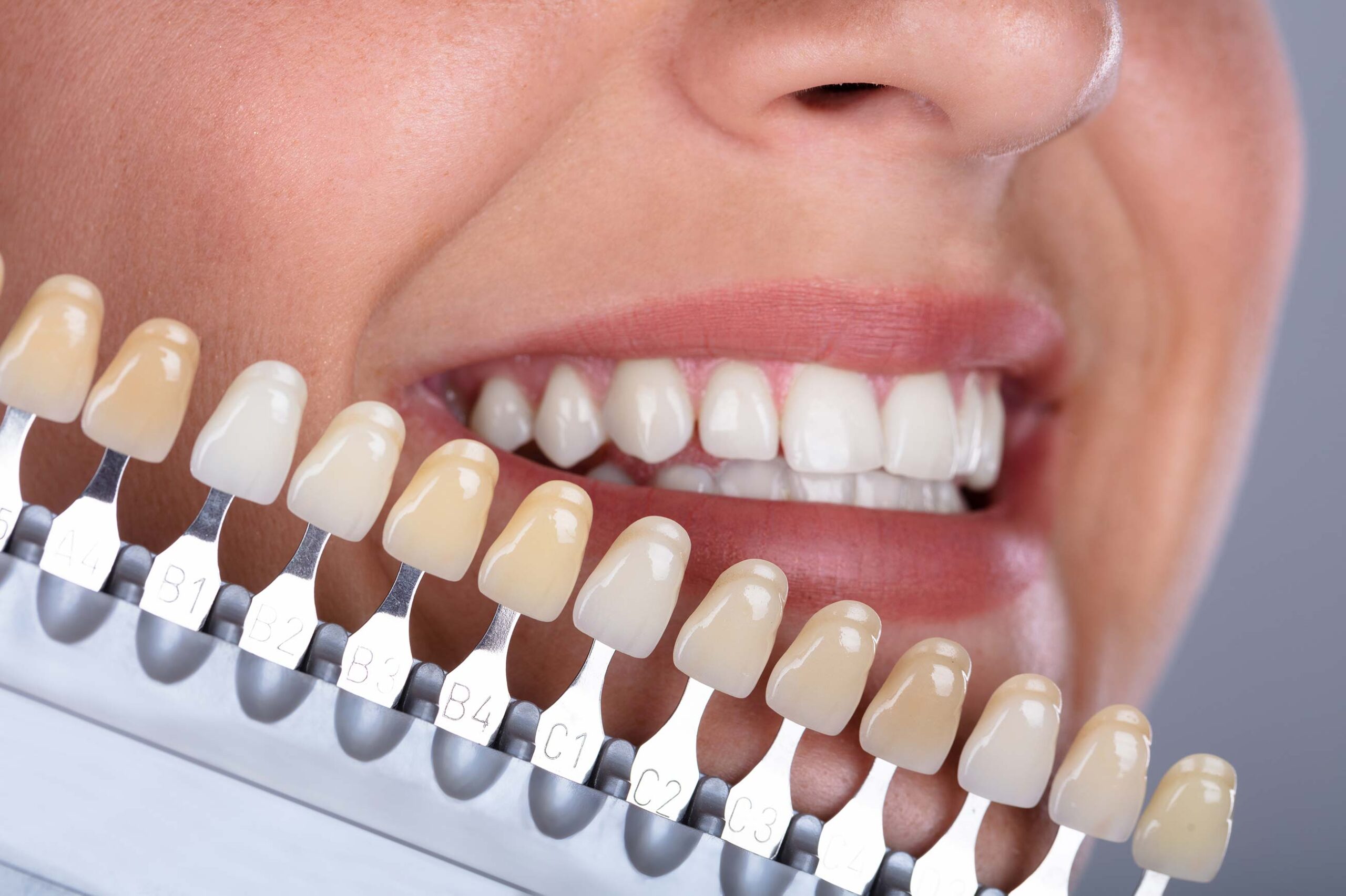
A veneer shade should work with your skin tone, the whites of your eyes, your age and the overall style you want. For some patients, a crisp bright white creates the glamorous finish they are after. For others, a slightly softer shade looks more expensive because it appears believable and elegant.
There is also a practical consideration. If you are only having veneers on some teeth, the colour needs to sit naturally alongside the surrounding teeth or be part of a broader whitening and smile design plan.
The condition of your teeth comes first
Before any veneer treatment is planned, the health of the teeth and gums needs to be assessed properly. This is where clinical experience matters.
Veneers can transform the look of healthy teeth, but they are not a shortcut around decay, gum disease, teeth grinding or a problematic bite. If those issues are not addressed first, even the most beautiful veneers may chip, feel uncomfortable or fail prematurely.
This is particularly important for patients who clench or grind at night. You may still be a good candidate for veneers, but the design, thickness and aftercare plan need to reflect that. Sometimes a protective night guard becomes part of the treatment.
Consider how much tooth preparation is needed
Not all veneers require the same amount of preparation. Some can be very conservative, while others involve more reshaping of the natural tooth to create space and achieve the right finish.
That is not something to fear, but it is something to understand. The ideal approach is usually the one that achieves the result you want while preserving as much healthy tooth structure as possible. If a treatment plan seems overly aggressive for a minor cosmetic concern, it is reasonable to ask why.
A good consultation should explain what is being changed, what is being preserved and why that plan is the best fit for your smile.
How to choose veneers with the right dentist
Even the finest materials cannot compensate for poor planning. Knowing how to choose veneers also means knowing how to choose the clinician designing them.
Look for a dentist with clear cosmetic experience, a strong eye for smile design and the ability to balance aesthetics with function. Veneers should not only look beautiful on the day they are fitted. They should feel comfortable, support your bite and age well.
Digital imaging, smile previews and detailed treatment planning can make a real difference here. They help patients visualise the likely outcome and allow for more precise communication about shape, proportion and expectations. At a modern clinic such as Lotus Dental and Aesthetics Clinic, that combination of technology and tailored planning helps make the process feel far more reassuring.
Budget matters, but value matters more
It is natural to compare prices, especially for cosmetic treatment. But veneers are not a commodity. Fees can vary because the planning process, materials, laboratory quality and clinical expertise vary too.
A lower price can sometimes mean less detailed design, lower-grade materials or less time spent refining the final result. A higher fee is not automatically better either. What matters is whether you are receiving thoughtful assessment, high-quality craftsmanship and a result designed for longevity.
If you are weighing cost, ask what is included. Consultations, diagnostics, temporary veneers, review appointments and protective appliances can all influence the true value of treatment.
Think beyond the fitting day
Veneers are long-term dentistry. They should still make sense for your life years from now, not just on the day you leave the clinic.
That means considering maintenance, hygiene, future dental work and your habits. If you bite pens, tear packaging with your teeth or rarely attend check-ups, veneers may need more upkeep than you expect. If you care for them properly, however, they can remain beautifully stable for many years.
It is also worth thinking about whether you want a small enhancement now or a broader smile transformation over time. For some patients, veneers work best as part of a larger plan that may also include whitening, contouring, orthodontics or facial aesthetic treatment for overall harmony.
The best veneers look like you, only better
The strongest veneer results are rarely the most obvious ones. They are the smiles that look balanced, healthy and effortless. People notice the confidence, the freshness and the polish before they notice the dentistry.
So if you are deciding how to choose veneers, focus less on trends and more on fit. Fit to your face. Fit to your teeth. Fit to your goals. When those elements come together, veneers can do far more than change a smile. They can make you feel instantly more comfortable being seen.
Talk to the team at Lotus Clinic, Golders Green
See our page on veneers and composite bonding at Lotus Clinic for prices and who will treat you, or book a consultation at 943 Finchley Road, London NW11 7PE. Free parking on our driveway.