943 Finchley Rd, London NW11 7PE


How to Fix Chipped Teeth Safely and Beautifully

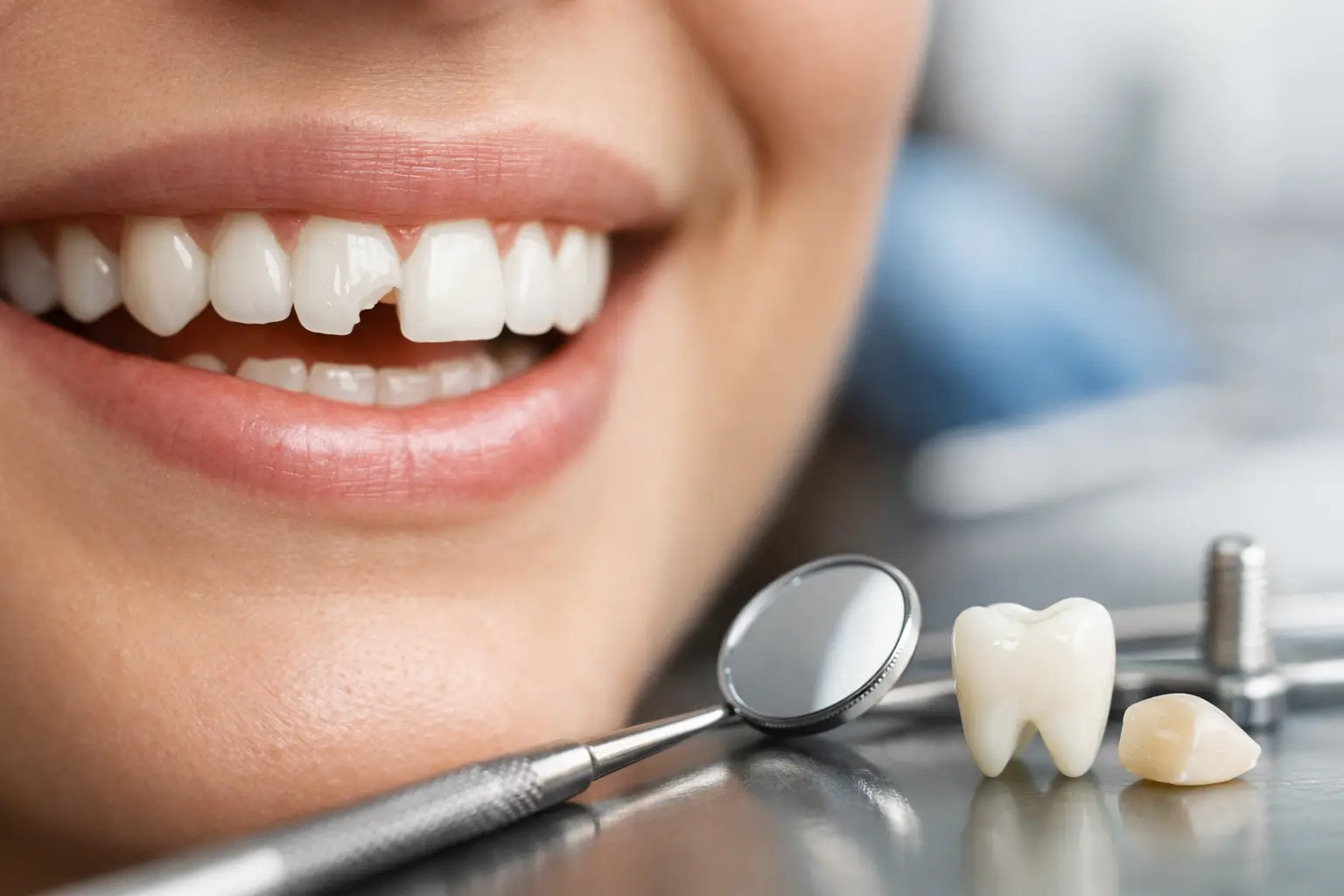
A chipped tooth can change the way you smile, speak and eat in a moment. Whether it happened while biting something hard, during sport, or because an old filling gave way, knowing how to fix chipped teeth starts with protecting the tooth and choosing a treatment that looks as natural as it feels.
The right solution depends on how much tooth structure has been lost, where the chip sits, whether the tooth is painful, and the result you want long term. A tiny rough edge may need only a gentle polish. A visible front tooth may be beautifully restored with composite bonding or a veneer. A deeper fracture may require a crown or more urgent treatment to protect the nerve.
What to do straight after chipping a tooth
First, rinse your mouth gently with warm water to clear away any small fragments. If you can find the broken piece, keep it in milk or saliva and bring it to your appointment. In some cases, particularly with a larger clean break, it may be possible to assess whether it can be reattached.
Avoid chewing on that side of your mouth and choose softer foods until the tooth has been examined. If there is a sharp edge, orthodontic wax from a pharmacy can provide a temporary barrier between the tooth and your tongue or cheek. Do not try to file, glue or repair the tooth yourself. Household adhesives are not safe for use in the mouth and can make a professional restoration more difficult.
A cold compress against the outside of the face can help with swelling after an injury. Over-the-counter pain relief may also be suitable when taken as directed, but persistent pain, sensitivity or swelling needs prompt dental assessment.
How to fix chipped teeth: the treatment options
A dentist will examine the tooth, surrounding gums and bite, often taking an X-ray when the fracture could extend beyond what is visible. This matters because a small-looking chip can sometimes hide a deeper crack, while a larger chip may still be repaired conservatively if the tooth and nerve are healthy.
Smoothing and reshaping for small chips
If only a tiny amount of enamel has chipped away, the simplest treatment may be smoothing and contouring. The dentist carefully polishes the rough edge so it feels comfortable and blends into the natural shape of the tooth.
This is quick, comfortable and preserves virtually all remaining enamel. However, it is not suitable where reshaping would make the tooth noticeably shorter, uneven or weak. It works best for minor wear, small corners and rough edges rather than a significant break.
Composite bonding for a natural-looking repair
Composite bonding is one of the most popular ways to restore a chipped front tooth. A tooth-coloured resin is layered directly onto the tooth, shaped by hand, hardened with a curing light and polished to match the surrounding enamel.
The result can restore the missing corner, soften an uneven edge and improve the symmetry of your smile, often in a single visit. It is usually a conservative option because little or no healthy tooth enamel needs to be removed.
Bonding is highly versatile, but it does require care. Composite can stain over time and may chip if you bite nails, pens, ice or hard foods. It can also need polishing, repair or replacement in the future. For many patients, that trade-off is worthwhile: the treatment is fast, beautiful and relatively easy to adjust if their smile goals change.
Veneers when shape and appearance need a bigger change
A veneer is a finely crafted porcelain or composite facing placed over the front surface of a tooth. It can conceal a chip while also improving colour, proportions and minor irregularities. For someone who has several worn, chipped or uneven front teeth, veneers may create a more comprehensive smile transformation than repairing each tooth separately.
Porcelain veneers are valued for their lifelike translucency and resistance to staining. They are also a more committed treatment than bonding because some enamel preparation may be necessary. The best choice depends on the amount of damage, your bite, the condition of the enamel and whether you are looking for a single repair or a wider cosmetic result.
Crowns for larger breaks and weakened teeth
When a substantial part of the tooth has broken away, a crown may be the safest long-term solution. A crown covers and protects the remaining tooth structure, restoring strength as well as appearance. It may be recommended if there is a large old filling, extensive decay, a deep fracture or a tooth that has become weak following root canal treatment.
Modern ceramic crowns can be matched closely to neighbouring teeth, so a strong restoration does not have to look artificial. The key consideration is that a crown involves more preparation than bonding or a veneer, which is why your dentist will only recommend it when the tooth needs that level of protection.
Root canal treatment when the nerve is affected
A chip that reaches the inner pulp of the tooth can cause severe sensitivity, throbbing pain or infection. In this situation, root canal treatment may be needed to remove damaged or infected tissue from inside the tooth before restoring it with a filling or crown.
This is not a reason to panic. Modern techniques and effective local anaesthetic make treatment far more comfortable than its reputation suggests. Acting quickly gives the dentist the best chance of preserving your natural tooth and preventing an avoidable infection.
When is a chipped tooth an emergency?
Not every chip requires an out-of-hours appointment, but it should not be ignored. Book an urgent dental assessment if you have a chipped or broken tooth alongside any of the following:
- severe or increasing pain
- swelling in the face, gum or jaw
- bleeding that does not settle after gentle pressure
- a tooth that feels loose or has moved after an injury
- a large break, exposed pink or red tissue, or sharp edges causing injury
If a tooth has been completely knocked out, hold it by the crown rather than the root, gently rinse it if dirty and seek emergency dental care immediately. Time is critical. For facial trauma, heavy bleeding or concerns about the jaw, attend urgent medical care as appropriate.
Why a dental examination is worth it, even for a small chip
It is tempting to leave a tiny chip alone if it does not hurt. Yet rough enamel can catch the tongue, alter the way your teeth meet and create a weak point that chips further. A dentist can check for cracks, bite pressure, tooth grinding and decay that may have contributed to the damage.
Grinding is particularly relevant when chips recur along the front teeth or on the edges of back teeth. In those cases, repairing the tooth without protecting it may lead to another break. A custom night guard can reduce the effects of clenching and grinding while helping a new restoration last longer.
Your bite also affects the treatment choice. A beautifully bonded edge may not survive if it is repeatedly struck by an opposing tooth. Careful planning ensures the repair is designed around how your teeth function, not just how they look in a photograph.
Keeping your repaired tooth looking its best
After treatment, brush twice daily with fluoride toothpaste, clean between teeth every day and keep regular hygiene and dental appointments. Avoid using your teeth as tools to open packaging, and take care with very hard sweets, ice and unpopped popcorn kernels.
If you have composite bonding, reducing tea, coffee, red wine and smoking can help preserve its brightness. Professional polishing may refresh the surface when needed. If you play contact sport, a well-fitting mouthguard is a sensible investment for both natural teeth and cosmetic restorations.
At Lotus Dental and Aesthetics Clinic, chipped teeth are assessed with the same attention to comfort, function and smile confidence. Digital planning and modern cosmetic dentistry can help create a repair that suits your face, your bite and the way you want to feel when you smile.
A chipped tooth does not have to become the feature you notice first in the mirror. The most effective next step is a timely, personalised assessment: often the right repair is simpler, more comfortable and more natural-looking than you expect.
Talk to the team at Lotus Clinic, Golders Green
See our page on emergency dental care at Lotus Clinic for prices and who will treat you, or book a consultation at 943 Finchley Road, London NW11 7PE. Free parking on our driveway.