943 Finchley Rd, London NW11 7PE


Are Anti-Wrinkle Injections for Forehead Lines Right for You?
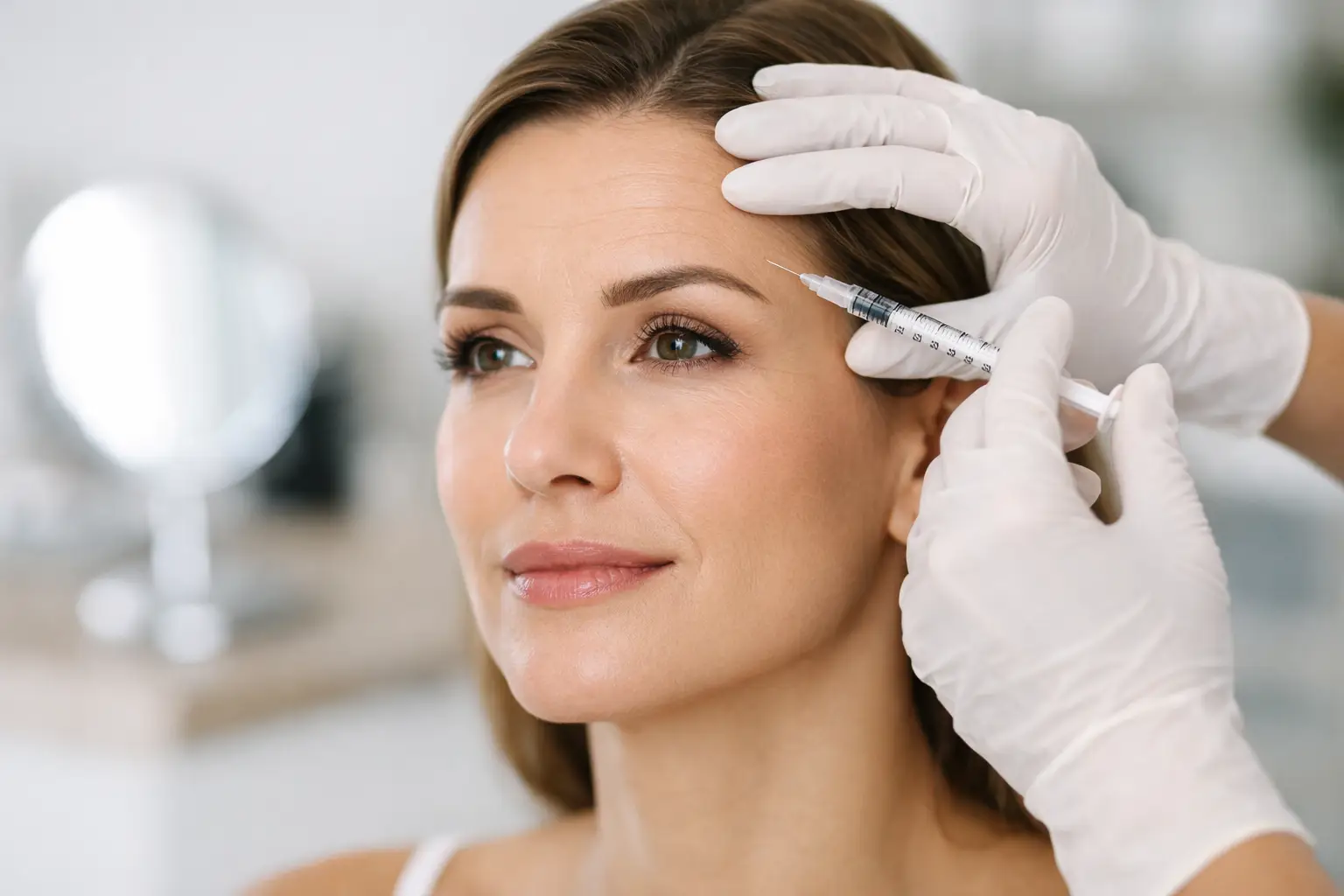
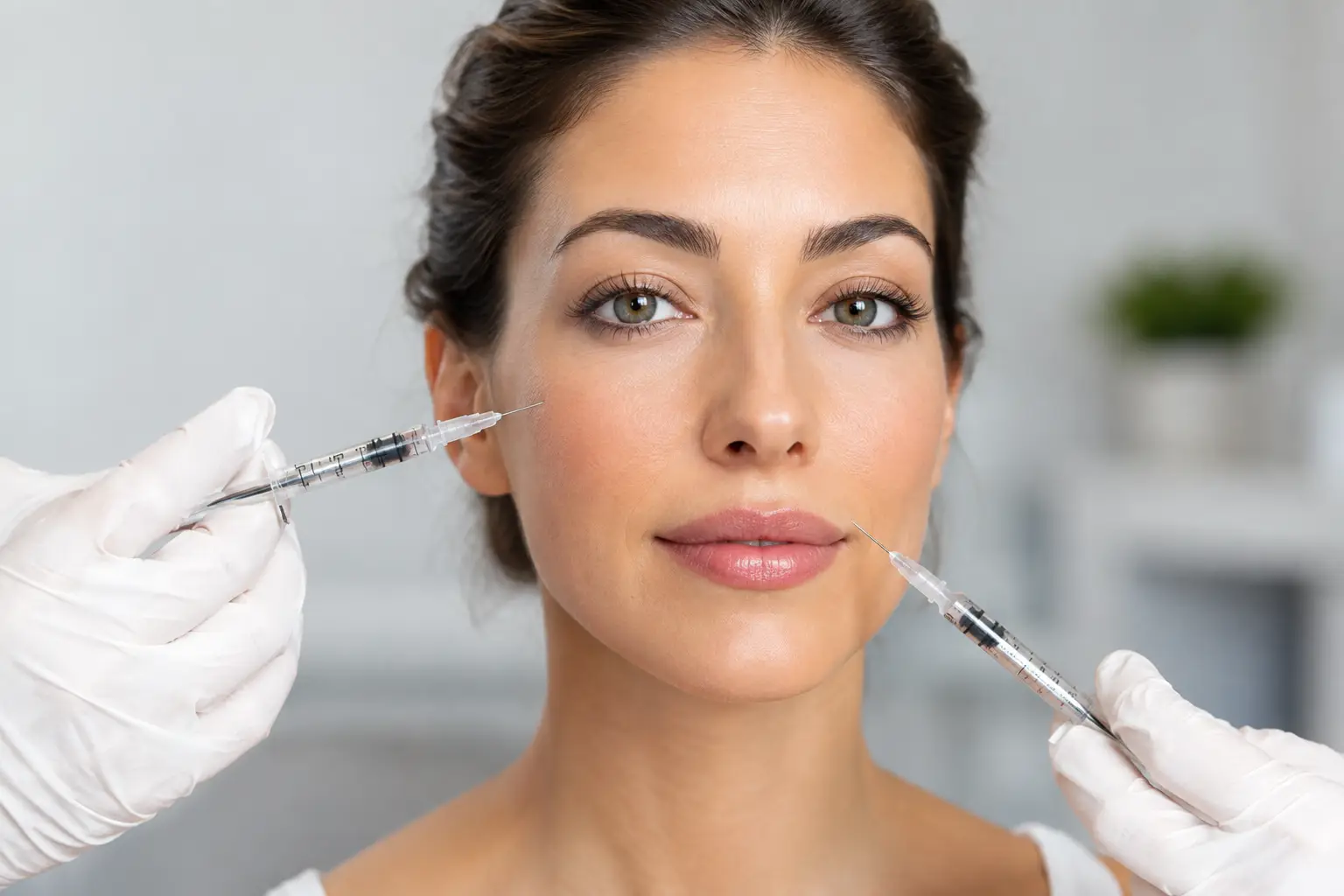
Forehead lines can appear long before you feel ready for them. They may show when you concentrate, raise your brows or react in conversation, then gradually remain visible even when your face is relaxed. Anti-wrinkle treatment for forehead lines is a popular non-surgical option for softening this movement-related creasing while preserving a natural, expressive appearance.
At Lotus Dental and Aesthetics Clinic in Golders Green, treatment is never about creating a frozen look. It is about understanding your facial movement, your skin, your brow position and the result you would genuinely feel confident seeing in the mirror.
Why forehead lines develop
Forehead lines are usually dynamic lines. They form because the frontalis muscle repeatedly lifts the eyebrows, folding the skin across the forehead. Over time, factors such as natural collagen loss, sun exposure, stress, smoking and genetics can make those folds more noticeable and longer-lasting.
Not every forehead line is the same. Fine lines that only appear on expression often respond differently from deeper etched lines that remain at rest. This distinction matters because muscle-relaxing treatment can reduce the movement that contributes to the line, but it cannot replace lost volume or completely erase every established crease in the skin.
A thoughtful assessment looks beyond the forehead alone. The relationship between the forehead, frown lines, eyebrows and upper eyelids is particularly important. Treating one area without considering the rest of the upper face can produce a result that feels less balanced than it should.
How anti-wrinkle treatment for forehead lines works
Anti-wrinkle treatment uses a prescription-only medicine, given only after a face-to-face consultation with a qualified prescriber. When prescribed and administered by an appropriately qualified medical professional, it temporarily reduces signals between selected nerves and muscles. The treated forehead muscle relaxes, so the skin is not repeatedly folded with the same force.
The aim is controlled softening, not a loss of personality. You should still look like yourself, just more rested and less distracted by lines that make you appear worried, tired or tense when you do not feel that way.
Treatment involves a series of very small injections placed in carefully planned points. The appointment itself is usually short, although a proper consultation should never feel rushed. Your clinician may ask you to raise your eyebrows, frown and relax your face so they can map how your muscles work and discuss the amount of movement you would like to retain.
Results do not appear instantly. Most people begin to notice a change after a few days, with the full effect developing over around two weeks. The effect is temporary and commonly lasts around three to four months, although metabolism, muscle strength, dose and individual response all play a part.
The art of a natural-looking result
Forehead treatment requires precision. The frontalis muscle is responsible for lifting the brows, so using too much product or placing it without careful planning can leave the forehead feeling heavier than intended. This is why the cheapest appointment is not always the best value.
For some patients, a light touch is ideal. Others have stronger muscle activity and may need a different approach. If you already have low-set brows, hooded eyelids or a tendency for one brow to sit higher than the other, your treatment plan should reflect that anatomy.
A highly tailored plan may also include the frown area, often called the glabella, because these muscles work in opposition to the forehead. Treating the areas in balance can support a smoother and more harmonious result. It depends entirely on your facial anatomy and goals, which is why copying another person’s treatment plan is rarely wise.
What can treatment improve?
Muscle-relaxing injections can be an excellent choice for people who want to soften horizontal forehead creases, reduce the look of expression lines and help prevent dynamic lines from becoming more deeply established. Many patients also appreciate the subtle confidence boost of looking fresher without a dramatic change.
For deeper static lines, the outcome may be more modest. Reducing movement can still stop the crease from being reinforced, but the skin may need additional support to improve texture and quality. Depending on your needs, a clinician might discuss treatments such as skin rejuvenation, microneedling, radiofrequency-based skin tightening, polynucleotides, PRP or a carefully selected skincare routine.
The best aesthetic plans are rarely one-size-fits-all. A combination approach can be more effective than repeatedly increasing the dose of one treatment simply because a line is stubborn.
Your consultation: what should be discussed
A reputable consultation should feel personal, calm and clinically thorough. Your clinician should ask what you notice about your forehead and what you hope to change. Some people want their lines softened while keeping plenty of movement; others prefer a smoother finish for photographs, events or everyday confidence.
Your medical history matters. Be open about medications, allergies, previous aesthetic treatments, neuromuscular conditions and any history of eyelid or brow heaviness. anti-wrinkle treatment is not suitable for everyone, including people who are pregnant or breastfeeding, and suitability must always be confirmed by the prescribing clinician.
You should also be given realistic guidance about potential side effects. Temporary redness, pinpoint swelling, tenderness or bruising can occur around injection sites. Less commonly, treatment may affect brow position or lead to temporary asymmetry. These risks are one reason proper assessment, precise technique and appropriate aftercare are essential.
Preparing for and caring for your treatment
Most people can return to normal daily activities soon after their appointment. However, your clinician will provide personalised aftercare advice. You may be asked to avoid rubbing or massaging the treated area, strenuous exercise, excessive heat and lying flat for a short period after treatment.
If you bruise easily, it is worth mentioning this during your consultation, particularly if you have an important occasion coming up. While many patients have little to no visible downtime, allow enough time before a wedding, holiday or professional event rather than booking at the last minute.
Take a measured approach to the first result. Because the effect builds gradually, judging the outcome too early can lead to unnecessary worry. A review at the appropriate time allows your clinician to assess the result properly and make any suitable adjustments.
How often should forehead lines be treated?
There is no fixed schedule that suits every face. Many people choose maintenance appointments approximately every three to four months, but it is better to base timing on how your movement returns and how you feel about your result rather than treating to a rigid calendar.
Regular treatment may mean some patients notice their lines become less pronounced over time, particularly if they no longer make the same strong repetitive expressions. That said, treatment is temporary, and individual longevity varies. A good clinician will help you maintain a result that feels refined, rather than encouraging unnecessary appointments.
Choosing the right practitioner in London
For any injectable treatment, clinical judgement matters as much as the product itself. Look for a qualified, experienced practitioner who takes time to assess your facial anatomy, uses regulated products and is transparent about expected results, limitations and risks.
It is also reasonable to ask about their approach to natural movement, review appointments and what support is available if you have questions after treatment. Feeling heard is not an optional extra. It is central to receiving aesthetic care that reflects your features and your priorities.
Forehead lines do not need to define how rested, approachable or confident you look. A carefully planned consultation can help you decide whether anti-wrinkle treatment for forehead lines is the right step, and whether a subtle result or a wider skin-rejuvenation plan would suit you best. The most satisfying result is one that still feels unmistakably like you.
Talk to the team at Lotus Clinic, Golders Green
See our page on facial aesthetics at Lotus Clinic for prices and who will treat you, or book a consultation at 943 Finchley Road, London NW11 7PE. Free parking on our driveway.