943 Finchley Rd, London NW11 7PE


Dental Crown or Veneer: Which Fits Best?

A chipped front tooth can change more than your smile. It can make you think twice before laughing, speaking in meetings, or appearing in photos. When patients ask whether they need a dental crown or veneer, they are usually asking two questions at once – what will look best, and what will last.
The right answer depends on the condition of the tooth, how much healthy structure remains, your bite, and the result you want to see in the mirror. Both treatments can transform a smile beautifully, but they are not interchangeable. One may be more conservative, while the other may be more protective. That distinction matters.
Dental crown or veneer – what is the difference?
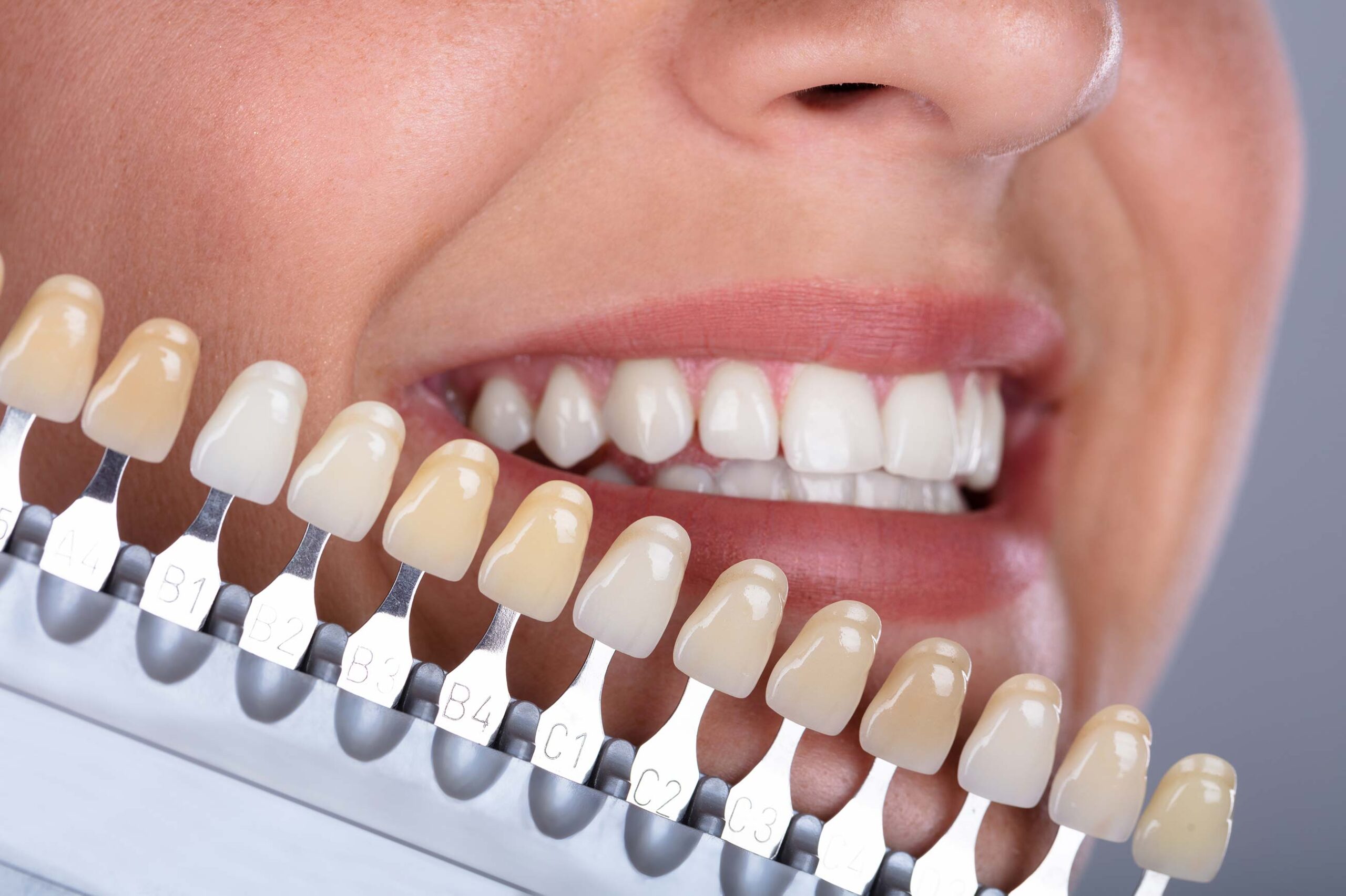
A veneer is a thin facing, usually made from porcelain, bonded to the front surface of the tooth. It is designed mainly to improve appearance. Veneers are often chosen to correct discolouration, minor chips, uneven edges, small gaps, and slight shape concerns.
A crown covers the entire visible part of the tooth, not just the front. It is typically recommended when a tooth needs more structural support as well as cosmetic improvement. Crowns are commonly used for teeth that are heavily filled, cracked, worn down, root treated, or weakened.
If you imagine the tooth as a house, a veneer is more like refacing the front elevation. A crown is more like rebuilding and protecting the whole exterior. Both can look highly natural when carefully planned, but they serve different clinical purposes.
When a veneer is the better choice
Veneers work best when the underlying tooth is healthy and strong, but the appearance is letting the smile down. If the issue is mainly cosmetic, a veneer can be an elegant option because it preserves more of the natural tooth than a full crown.
Porcelain veneers are particularly effective for front teeth with stubborn staining that does not respond to whitening, slight misalignment, worn edges, or small defects in shape. They can also be part of a broader smile makeover where balance, symmetry, and brightness are all being improved at once.
The appeal is clear. Veneers can deliver a refined, bright, natural-looking result with minimal intervention when they are properly indicated. For patients who want a more polished smile without extensive reconstruction, they are often an excellent solution.
That said, veneers are not ideal for every tooth. If there is significant damage, extensive decay, or a heavy bite that places too much pressure on the front teeth, a veneer may be too delicate as a long-term fix. In those cases, choosing the more conservative option can actually lead to more treatment later.
When a crown is the better choice
A crown is usually the stronger recommendation when the tooth has already lost a substantial amount of structure. This may be due to trauma, a large filling, repeated dental work, tooth wear, or root canal treatment.
Because the crown encases the tooth, it can restore shape, function, and strength all at once. It is often the better option for back teeth that handle heavier chewing forces, but it can also be the right choice for front teeth that need both aesthetic improvement and reinforcement.
Crowns have changed significantly over the years. Modern ceramic materials and digital planning mean they no longer have to look bulky or opaque. When expertly designed, a crown can blend beautifully with neighbouring teeth while providing a much higher level of protection.
For patients worried that a crown means a fake-looking result, that is usually a concern based on old dentistry. Today, with the right clinician, materials, and shade matching, crowns can be exceptionally lifelike.
Appearance matters, but so does preparation
One reason patients lean towards veneers is that they sound less invasive. Often, that is true. Veneers usually require less tooth reduction than crowns, although the exact amount varies depending on the tooth position, current shape, and desired result.
Crowns require more preparation because they need space all around the tooth. That does not make them a worse option. It simply means they are chosen for a different reason. If a tooth is already compromised, protecting it properly may be far more valuable than preserving a small amount of weakened enamel.
This is where proper assessment matters. The most attractive treatment plan is not always the one that removes the least tooth tissue. It is the one that respects the health of the tooth and gives a stable, lasting result.
Which lasts longer?
Patients often expect a simple answer, but longevity depends on several factors: the material used, your bite, oral hygiene, diet, grinding habits, and how well the tooth was suited to the treatment in the first place.
Porcelain veneers can last many years when placed on suitable teeth and looked after well. Crowns can also last a long time, especially when they are protecting a tooth that genuinely needed full coverage. Neither option is permanent in the sense of lasting forever, and both may eventually require maintenance or replacement.
The more useful question is not which lasts longer in theory, but which is likely to last longer for your tooth. A veneer on a weak tooth may fail sooner than a crown. A crown on a lightly damaged tooth may be more treatment than necessary. Matching the treatment to the problem is what gives the best long-term value.
Cost and value are not the same thing
Cost naturally comes into the conversation, especially for cosmetic dentistry. Veneers and crowns can both represent a significant investment, particularly when several teeth are involved. Yet the cheapest route is not always the most cost-effective.
If a veneer is placed where a crown was needed, or a crown is chosen where a simpler approach would have done, the outcome may be compromised. Redoing dentistry is usually more expensive than getting the diagnosis right at the start.
This is why high-quality assessment, digital imaging, and detailed smile planning matter so much. At a modern clinic such as Lotus Dental and Aesthetics Clinic, treatment should not be based on guesswork or generic cosmetic ideals. It should be tailored to your tooth structure, facial aesthetics, bite, and goals.
What about front teeth?
Front teeth are where this decision feels most personal. They are visible, expressive, and central to confidence. In this area, appearance is crucial, but function still comes first.
If a front tooth is intact but discoloured, uneven, or slightly chipped, a veneer may offer the most beautiful and conservative result. If that same tooth has a large old filling, a crack, or has already been heavily restored, a crown may provide the support needed to avoid bigger problems later.
Patients sometimes ask for veneers because they have seen dramatic smile makeovers online. Those results can be stunning, but good cosmetic dentistry is not about putting the same treatment on every tooth. It is about choosing the right option tooth by tooth, sometimes combining different treatments within the same smile.
A few situations where the answer depends
Some cases sit in the middle. A tooth may be strong enough for a veneer, but the bite may be unfavourable. Another may look like it needs a crown, but after careful assessment, a more conservative adhesive approach could work well.
Teeth grinding is a common example. If you clench or grind, both veneers and crowns may be at higher risk without bite management. In these cases, a protective night guard may be part of the plan. Likewise, if gum position is uneven or the tooth is severely darkened underneath, the ideal treatment may shift.
This is why cosmetic dentistry should never be reduced to a menu choice. A dental crown or veneer is not simply a style preference. It is a clinical decision with aesthetic consequences.
How to choose well
The best starting point is a consultation that looks beyond the single tooth. Your dentist should assess the strength of the tooth, the health of the gums, how your teeth meet, the colour and shape of neighbouring teeth, and the overall harmony of your smile.
You should also expect a conversation about your priorities. Some patients want the most conservative option possible. Others want maximum durability. Others are focused on a precise cosmetic finish for a big life event or a long-awaited confidence boost. None of those goals are wrong, but they can lead to different recommendations.
A thoughtful clinician will explain the trade-offs clearly. If a veneer can give you a beautiful result while preserving more natural tooth, that may be the right route. If a crown is needed to protect a vulnerable tooth and avoid future fracture, that may be the wiser investment.
The best dentistry does not push every patient towards the same answer. It creates a result that feels beautiful, functions comfortably, and still makes sense years from now.
If you are deciding between a dental crown or veneer, focus less on which treatment sounds better and more on which one truly suits your tooth. Confidence looks better when it is built on something strong.
Talk to the team at Lotus Clinic, Golders Green
See our page on veneers and composite bonding at Lotus Clinic for prices and who will treat you, or book a consultation at 943 Finchley Road, London NW11 7PE. Free parking on our driveway.