943 Finchley Rd, London NW11 7PE


Smile Makeover With Veneers Explained
A great smile is rarely about having teeth that look obviously perfect. For most people, it is about balance – the right shape, proportion, brightness and symmetry for their face. That is why a smile makeover with veneers appeals to so many adults. It can correct several cosmetic concerns at once, while still looking natural, refined and completely personal.
Veneers are one of the most effective ways to transform the visible front teeth. They are fine, custom-made coverings, usually crafted from porcelain, that are bonded to the front surface of the teeth to improve appearance. Done well, veneers do not create a generic Hollywood smile. They create a smile that suits your features, your expressions and the way you want to feel when you speak, laugh or are photographed.
What a smile makeover with veneers can actually change
The appeal of veneers is that they can solve multiple aesthetic issues in one treatment plan. If teeth are chipped, uneven, worn down, mildly crowded, irregularly shaped or stained in a way whitening cannot fully improve, veneers can often address those concerns together.
This is where the idea of a smile makeover matters. The goal is not simply to place porcelain on teeth. It is to redesign the smile as a whole, looking at tooth length, width, gum line, lip movement, facial proportions and bite. Some patients need only four veneers, while others may need six, eight or ten, depending on how much of the smile shows.
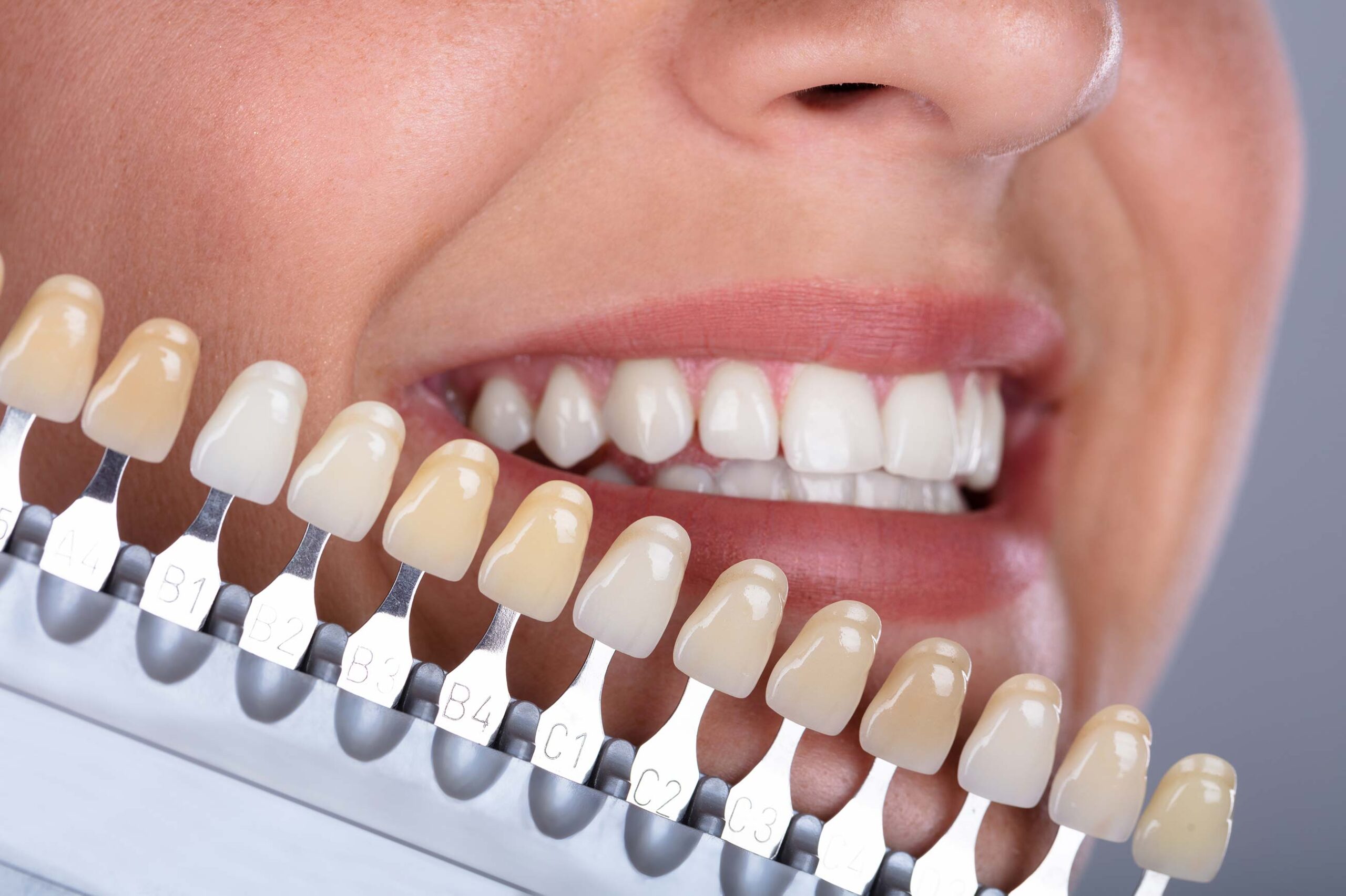
There is also a difference between changing colour and changing character. Very bright veneers can look striking, but they are not right for everyone. A more natural shade with subtle translucency often gives the most elegant result, especially if you want your smile to look refreshed rather than artificial.
Are veneers the right choice for you?
Veneers can be an excellent solution, but they are not automatically the first answer. The right treatment depends on what is causing the cosmetic concern and how much change you want.
If the main issue is alignment, Invisalign may be a better starting point, either on its own or before veneers. If the teeth are healthy but simply discoloured, professional whitening could be enough. If there is extensive damage, large fillings or structural weakness, crowns or other restorative treatment may be more appropriate.
A careful assessment is essential because veneers are best suited to teeth and gums that are otherwise healthy. Active gum disease, untreated decay or heavy grinding should be addressed before cosmetic work begins. In some cases, patients who clench or grind can still have veneers, but they may need protective measures such as a night guard.
This is also why choosing an experienced clinician matters. A smile makeover should never be a one-size-fits-all treatment. It needs to respect function as well as aesthetics, because a beautiful result still has to feel comfortable and last well.
The consultation: designing the right smile, not the same smile
The most successful veneer cases begin with listening. Some patients want a dramatic transformation. Others want people to notice they look better without being able to say exactly why. Both are valid, but the design process changes depending on that goal.
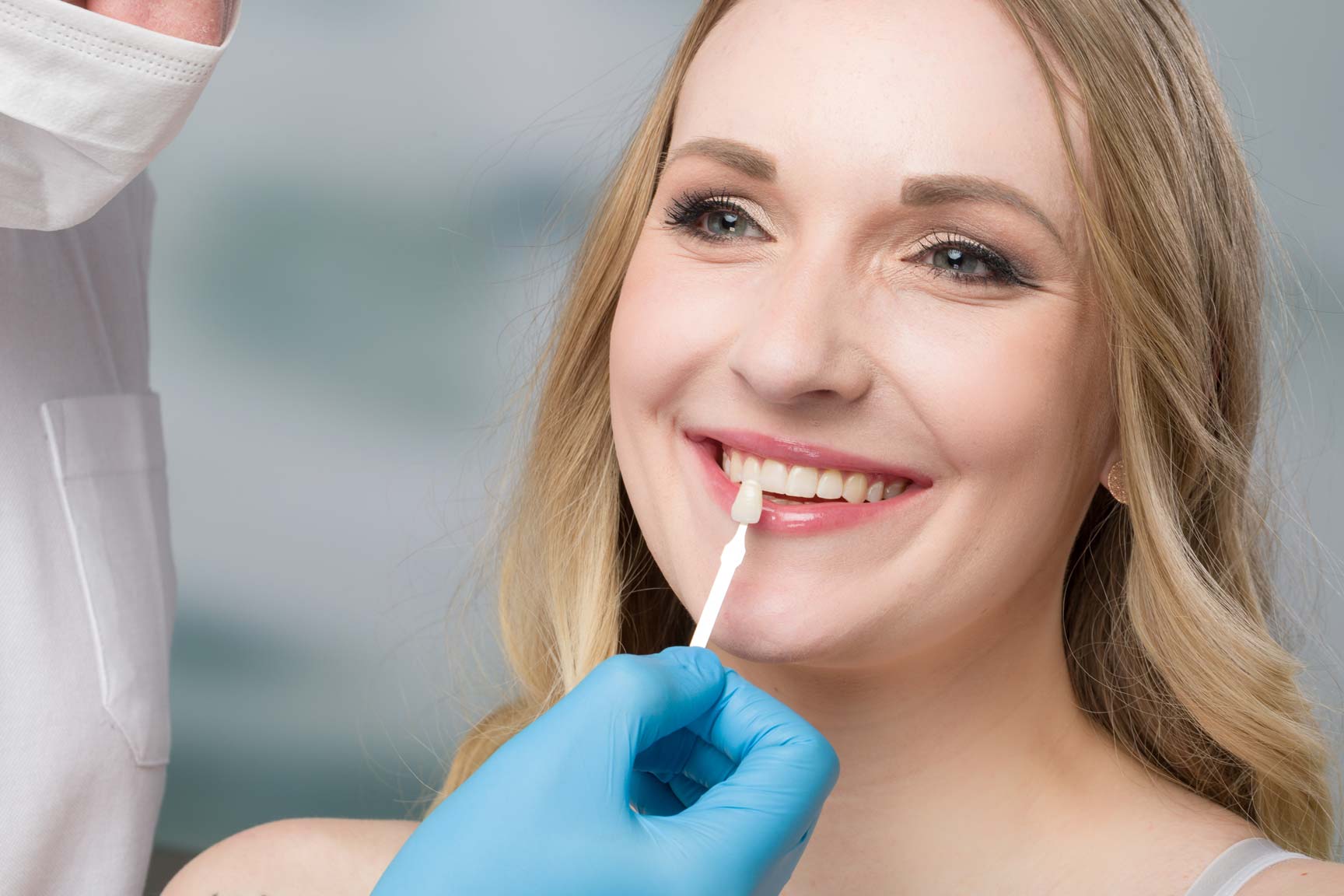
At consultation, your dentist should assess facial proportions, tooth display, bite, gum health and overall oral condition. Photos, digital scans and smile planning tools can help map out the final result before treatment begins. This stage is where expectations become realistic. You can discuss shade, shape and how natural or polished you want the finish to be.
The best cosmetic dentistry sits in the detail. Small decisions – softer edges versus squarer shapes, brighter shades versus warmer tones, fuller contours versus delicate refinement – make a significant difference. That is why bespoke planning is far more valuable than simply asking for a certain number of veneers.
For patients who feel anxious, this part of the journey can be especially reassuring. Seeing the process clearly explained, understanding the timeline and knowing the result is tailored to you often removes much of the uncertainty.
What happens during veneer treatment?
A smile makeover with veneers usually takes place over a small number of planned appointments, although timelines vary depending on complexity.
First comes assessment and planning. Then, if veneers are appropriate, the teeth may be minimally prepared. In some cases, very little enamel needs to be removed. In others, a small amount of shaping is needed so the veneers sit naturally and do not look bulky. The extent depends on your starting point and the style of result being created.
After preparation, impressions or digital scans are taken so the veneers can be made precisely. Temporary veneers may be fitted while the final ones are being crafted. These temporaries are useful because they give you an early sense of shape and appearance.
Once the final veneers are ready, they are tried in, adjusted if needed and then bonded into place. Precision matters at this stage. The fit, bite and finish all need to be checked carefully to create a result that is both beautiful and functional.
In advanced clinics, digital workflows can improve accuracy and communication throughout the process. That can mean more predictable planning, better visualisation and a smoother experience overall.
How natural do veneers look?
This is one of the biggest concerns patients have, and rightly so. Poorly planned veneers can look flat, bulky or too bright. High-quality veneers, designed properly, should reflect light in a way that resembles natural enamel and should suit the individual rather than dominate their face.
Natural-looking veneers depend on several factors: the skill of the dentist, the quality of the ceramic, the dental technician’s artistry and the decisions made at planning stage. The number of veneers matters too. If only the front two teeth are treated when adjacent teeth are very different in colour or shape, blending can be more difficult. Sometimes a wider treatment area creates a more harmonious finish.
There is also an important trade-off between perfection and realism. A flawless, ultra-white smile may appeal on screen, but in day-to-day life many patients prefer something softer and more believable. The best result is often the one that looks like you on your best day.
How long do veneers last?
Porcelain veneers are durable, but they are not permanent in the sense of needing no maintenance. With good care, they can last many years. Longevity depends on oral hygiene, bite forces, grinding habits, diet and regular dental reviews.
Looking after veneers is straightforward. You still need to brush well, clean between the teeth and attend routine check-ups and hygienist visits. Veneers themselves cannot decay, but the underlying tooth structure and gum tissue still need care. Biting hard objects, opening packaging with teeth or ignoring clenching can shorten their lifespan.
Patients are sometimes surprised to learn that aftercare is part of preserving the cosmetic result. A smile makeover is an investment, so it deserves the same attention you would give any high-value treatment.
Cost, value and what you are really paying for
The cost of veneers varies because the treatment is highly bespoke. You are not just paying for the ceramic shells. You are paying for diagnosis, planning, clinical judgement, preparation, materials, technical artistry and long-term follow-up.
Cheaper treatment can look tempting, but cosmetic dentistry is an area where shortcuts often show. The shape may feel generic, the bite may not be considered carefully enough, or the final appearance may not have the subtle detail that makes a smile look expensive in the best sense of the word.
That does not mean the highest fee is automatically the best option. It means value should be judged by experience, technology, case planning and the quality of results. For many patients, flexible finance makes treatment more accessible without compromising on standards.
At a modern clinic such as Lotus Dental and Aesthetics Clinic, patients often value more than the veneers themselves. They want an experience that feels calm, expertly managed and tailored from start to finish.
When veneers are part of a bigger makeover
Sometimes veneers are the main event. Sometimes they are one part of a more complete transformation. Teeth whitening may be used on lower teeth to match the upper veneers. Invisalign may be used first to improve alignment conservatively. In cases where facial aesthetics and skin quality also affect confidence, some patients choose to combine smile treatment with non-surgical aesthetic care for a more balanced overall result.
That joined-up approach can be especially appealing for people who want convenience as well as expertise. It allows treatment planning to consider the whole face, not just the teeth in isolation.
The decision is personal
A smile makeover is not about chasing perfection for its own sake. It is about changing something that has been holding you back, whether that is worn edges, uneven teeth, dark discolouration or simply a smile that no longer reflects how confident you feel inside.
Veneers can be transformative, but the best outcomes come from careful planning, honest advice and a result designed around your features rather than a trend. If you are considering treatment, the right next step is not to ask how many veneers you need. It is to ask what kind of smile would feel most like you – just fresher, more balanced and easier to show.
Talk to the team at Lotus Clinic, Golders Green
See our page on veneers and composite bonding at Lotus Clinic for prices and who will treat you, or book a consultation at 943 Finchley Road, London NW11 7PE. Free parking on our driveway.